
A warranty is easy to write and hard to honour. Any supplier can put “12 months” on a quote, but the number only means something when the process behind it is clear: who pays the freight on a return, how a dead battery is replaced, and how fast the decision is made. This guide breaks down what a heated clothing warranty should cover, and how to test the after-sales support before you commit to a bulk order.
Heated Clothing Breaks Differently From Normal Apparel
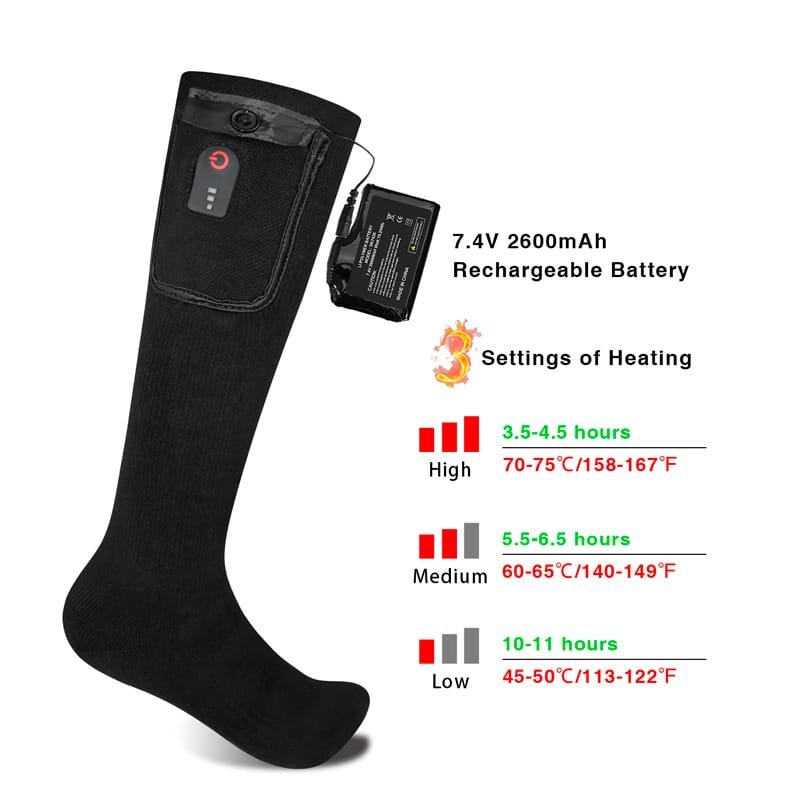
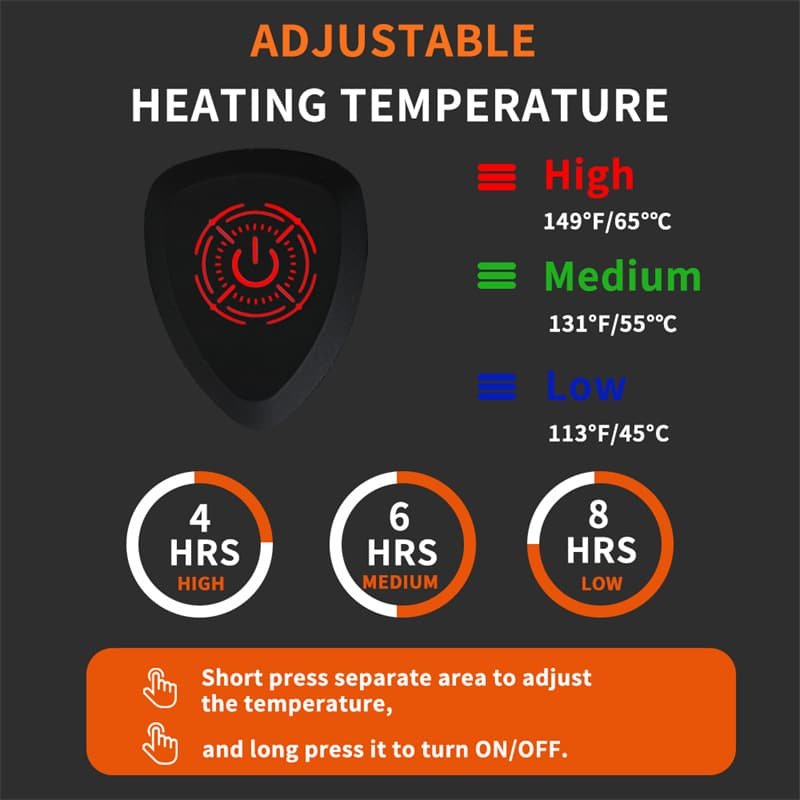
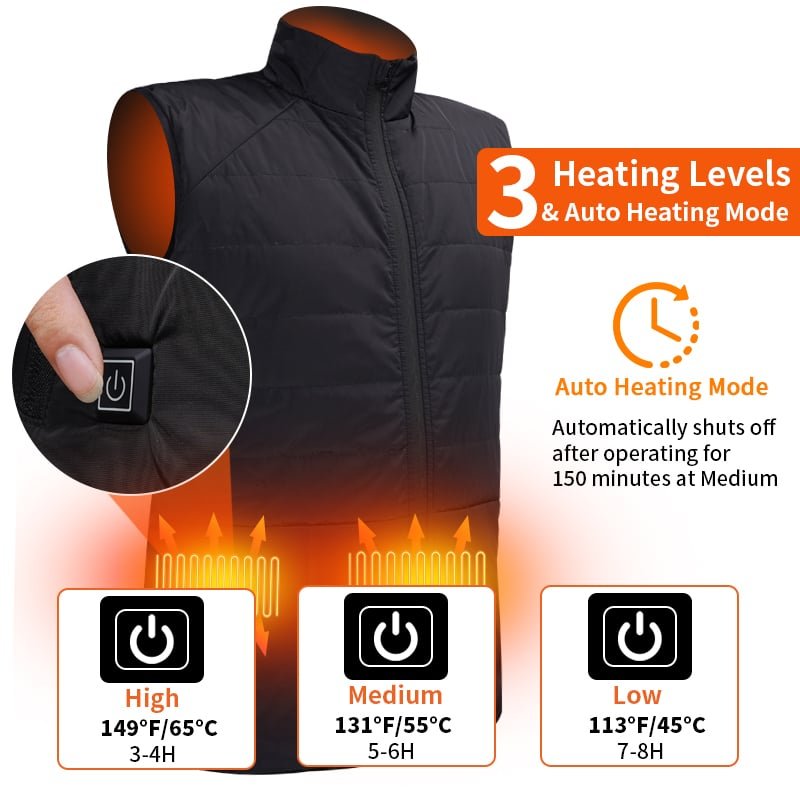
A heated garment fails in ways a normal jacket never does. The fabric, the seams and the zips follow ordinary apparel behaviour, but the heating system introduces three additional failure points: the heating element, the controller and the battery. Each has a different life and a different warranty treatment, which is why a single blanket term is less useful than it looks.
The practical consequence is that a buyer should not ask “how long is the warranty?” but “which parts does it cover, and for how long each?” A garment that carries a 12-month overall term can still treat the battery and the fabric very differently inside that window.
What the Standard Terms Usually Cover
| Component | Typical warranty | What it protects against |
|---|---|---|
| Heating element | 12 months | Element failure, dead heating zones, broken wiring |
| Controller and switch | 12 months | Control failure, non-responsive buttons or remote |
| Battery pack | 12 months | Failure to charge or hold charge; excludes physical damage and water |
| Fabric, seams, zips | 12 months | Manufacturing defects; excludes normal wear and tear |
Our standard warranty is 12 months, and our batteries are rated for 500+ charge cycles. The two numbers measure different things: the warranty covers defects inside a time window, while the cycle rating describes how many charge-discharge rounds the pack is built for under normal use.

What a Warranty Should Exclude, and Why
A fair warranty draws a clear line around what it will not cover, and that line is not a sign of a weak supplier. The normal exclusions are:
- Water damage, unless the product is specifically rated for it. Most heated apparel is IPX4 as standard, which resists splashes but is not waterproof.
- Physical damage, such as a battery that has been crushed, dropped or swollen.
- Modification, including third-party batteries, chargers or re-soldered connectors.
- Normal wear, such as fabric abrasion or a zip worn through use.
The point of these exclusions is not to escape responsibility but to make the boundary testable. A warranty that promises to cover everything usually ends up covering nothing, because every claim becomes a negotiation.
How the After-Sales Process Should Actually Work
Ask for the process, not the promise. A supplier with real after-sales support can answer these five questions without pausing:
- Who decides a claim, and how fast? A clear rule is better than a person: a dead heating zone with a photo or short video should be approved in days, not weeks.
- Who pays the freight on a replacement? This is the most common point of friction, so it should be written down.
- Are parts or whole units replaced? For a bulk buyer, replacement parts and a repair path are usually cheaper than shipping whole garments back and forth.
- Where are the spares held? A supplier that keeps spare controllers and battery packs in its own warehouse can respond faster than one that reorders everything.
- What happens after the warranty ends? Paid repair and spare-parts availability matter for a product you expect to sell for years.
How to Test After-Sales Before You Order
The best time to test the support is before the contract is signed, not after the first customer complaint.
- Ask for the warranty terms in writing as part of the quotation, not as a sentence in an email.
- Order samples and deliberately stress them. A sample with a dead element is the perfect test case: file it as a claim and watch how the supplier responds.
- Ask for a reference from a buyer who has been through a replacement, not just a first order.
- Check the spare-parts policy. If the supplier cannot sell you a spare controller today, it will struggle to replace one next year.
This is the same discipline we describe in how to audit a heated apparel factory and the red flags to watch for when evaluating suppliers.
Why We Keep After-Sales In-House
We manufacture heated apparel since 2013, with heating elements, control systems and battery packs built in-house rather than bought in. That changes the after-sales equation, because the spares and the people who diagnose them sit in the same facility. A dead heating zone does not get shipped back to a third party; it is inspected against the production record and answered with either a repair path or a replacement part.
For the full picture of how a supplier should be chosen, start with the 9 checks before you sign. When you are ready to define your own warranty and after-sales terms, our OEM/ODM team will put them in writing as part of the quotation, not as an afterthought.
Frequently Asked Questions
How long is the warranty on heated clothing?
Our standard warranty is 12 months, covering the heating element, controller, battery pack and manufacturing defects in the fabric. Physical damage, water damage, modification and normal wear are excluded, which keeps the boundary clear and testable.
Are the battery and the garment covered the same way?
They carry the same 12-month term but protect against different things. The garment warranty covers element and fabric defects, while the battery warranty covers failure to charge or hold charge, excluding physical damage and water. Batteries are rated for 500+ charge cycles under normal use.
What should I check about a supplier’s after-sales before ordering?
Ask who decides a claim and how fast, who pays the freight on replacements, whether parts or whole units are replaced, where spares are held, and what happens after the warranty ends. Then file a claim on a deliberately stressed sample and watch the response.
What is excluded from a heated clothing warranty?
Water damage, physical damage such as a crushed or swollen battery, modification with third-party parts, and normal wear and tear. A fair warranty states these exclusions clearly rather than promising to cover everything.
Defining warranty terms for your product line? Our OEM/ODM team will write the warranty and after-sales process into your quotation before you commit.