Blog

The slim profile of Dr.Warm G43 heated gloves is highlighted, showing how they fit closely to the hand without bulk, ideal under other gloves or for precise movement.
Blog

Best Heated Gloves for Skiing and Snowboarding

Heated gloves are crucial for skiers and snowboarders battling wind chill, wet snow, and freezing temps, keeping hands responsive for better control and safety on the mountain. The most important features include strong battery life, waterproofing, and flexible heating to handle speed and moisture without bulk. This review spotlights the best heated gloves for skiing and snowboarding, tailored to scenarios like high-altitude powder or resort groomers, to help you choose gear that performs when it counts.

The slim profile of Dr.Warm G43 heated gloves is highlighted, showing how they fit closely to the hand without bulk, ideal under other gloves or for precise movement.
Blog

How Long Do Heated Gloves Last?

Heated gloves offer varying runtime per charge—typically 2-8 hours depending on settings—but their overall lifespan spans 2-4 years with proper care. Battery capacity, temperature settings, and cold exposure play key roles in daily performance, while material quality and charging habits determine long-term durability. Understanding these helps choose gloves that endure months of winter use without fading fast.

A skier wearing Dr.Warm custom heated ski gloves, with heat distributed across all fingers and palms for comprehensive cold-weather protection.
Blog

Best Heated Gloves for Skiing

Heated gloves are a game-changer for skiers facing biting wind chill and sub-zero temps, providing active warmth to maintain grip and focus on the slopes. The top features to prioritize include reliable battery life, waterproof membranes, and flexible designs that don’t hinder pole plants or turns. This guide highlights the best heated gloves for skiing across categories, helping you choose gear that excels in high-speed descents, moisture, and cold for safer, more enjoyable runs.

Product image emphasizing the “Custom Manufacturer” capability for producing specialized fingerless heated gloves for hunting and tactical markets.
Blog

How Heating Elements Work in Heated Gloves

Heating elements in heated gloves generate warmth through electrical resistance, with materials like carbon fiber and graphene film converting power into heat for fingers and palms. The differences lie in flexibility, efficiency, and distribution—carbon fiber offers durability, while graphene provides even, fast heating. These technologies impact overall performance, safety, and comfort, making the right choice essential for effective winter gear.

Official product title graphic for “Dr.Warm Heated Glove Liners”, the brand’s solution for battery-powered hand warmth.
Blog

Certifications Needed for Heated Gloves

Heated gloves require a suite of certifications to ensure safety and market access, from CE for electrical compliance in Europe to UN38.3 for battery transport worldwide. This guide covers key standards like FCC for U.S. emissions, RoHS for material safety, and additional tests for reliability. Brands can use this to navigate compliance, avoiding costly delays and ensuring products meet global safety expectations.

Collage of the G45 gloves in use: on ski lifts, during winter hikes, and while commuting in the city, demonstrating versatility.
Blog

Inside the Manufacturing Process of Heated Gloves

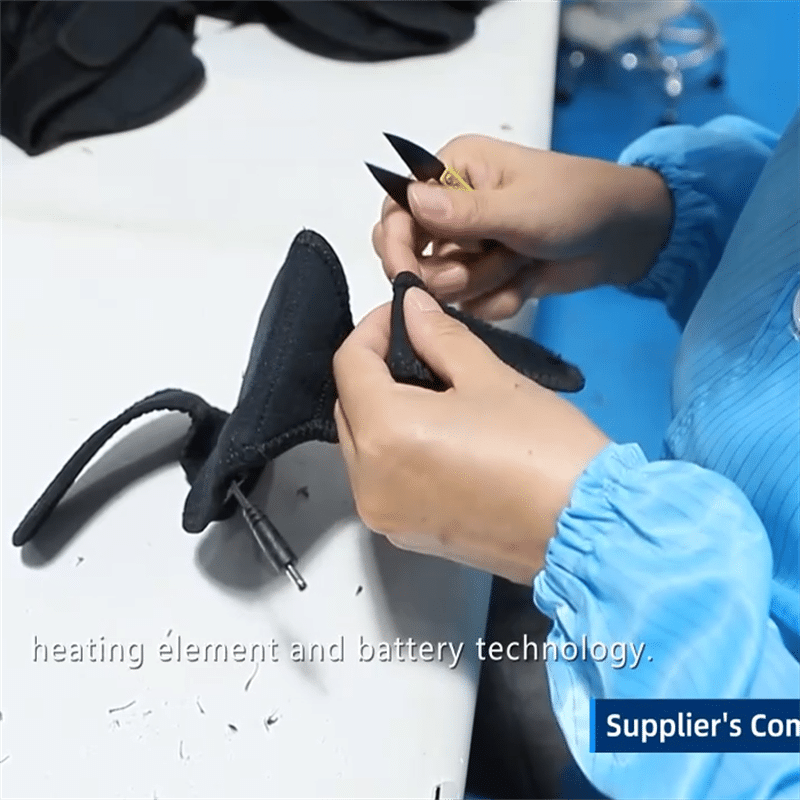
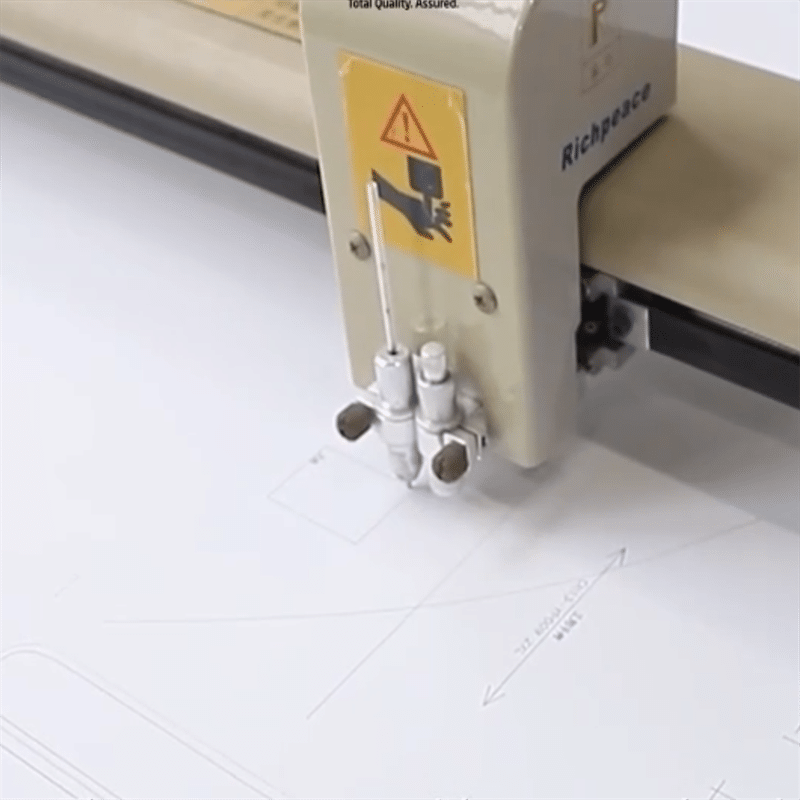
Heated gloves are crafted through a precise blend of textile sewing and electronic assembly, starting with material cutting and progressing to heating element embedding, battery installation, waterproofing, and rigorous QC testing. This process ensures reliable warmth, with key steps like wiring engineering and insulation layering preventing common issues like hotspots or failures. Understanding how heated gloves are made helps buyers appreciate the craftsmanship behind durable, safe products for cold-weather use.

Image of a production facility or customizable glove samples, representing OEM/ODM services for heated glove liners targeting business buyers.
Blog

Heated Gloves vs Heated Mittens

The heated gloves vs heated mittens debate centers on warmth versus usability: mittens trap more heat for extreme cold, while gloves allow better finger movement for tasks. Heated mittens vs gloves differ in insulation, battery efficiency, and fit, with mittens often warmer due to shared finger space. Choosing depends on your activity—gloves for precision like skiing, mittens for passive warmth like snowboarding.

Heated Cycling Gloves : 6–10 hours runtime on low, waterproof, fast-heating in seconds, anti-slip for bar control.
Blog

How Do Electric Heated Gloves Work?

Electric heated gloves create targeted warmth by running current through resistive heating elements like carbon fiber or graphene, powered by rechargeable batteries that deliver adjustable heat levels. The batteries and controllers regulate power to ensure even distribution, while insulation and safety features provide comfort without risks. In cold conditions, this design keeps fingers functional for activities like skiing or outdoor work, making heated gloves a reliable winter essential.

Infographic style image listing the key features of the gloves: touchscreen, waterproof, windproof, rechargeable, and anti-slip.
Blog

OEM Heated Gloves: What Brands Must Know

Brands developing OEM heated gloves must understand key elements like heating technology, battery standards, and safety concerns to ensure reliable products. This guide highlights heated glove manufacturing essentials, from heating systems to certifications, and offers strategies to avoid delays and quality issues. By prioritizing engineering and clear communication, you can create market-ready heated gloves that meet consumer demands for warmth and durability.

A premium hero shot of the Dr.Warm outdoor heated gloves in a rugged, natural setting, encapsulating all its key features in one powerful image.
Blog

How Battery Technology Impacts Heated Clothing Performance (Capacity, Safety, Runtime)

Battery technology is the backbone of heated apparel, where battery capacity, cell type, voltage, and safety systems dictate everything from heat intensity to heated clothing runtime. Higher-capacity lithium packs extend warmth in cold conditions, while proper voltage ensures quick heating without compromising safety. Understanding these elements helps brands deliver reliable gear for activities like skiing or outdoor work, balancing performance with user comfort.

Scroll to Top