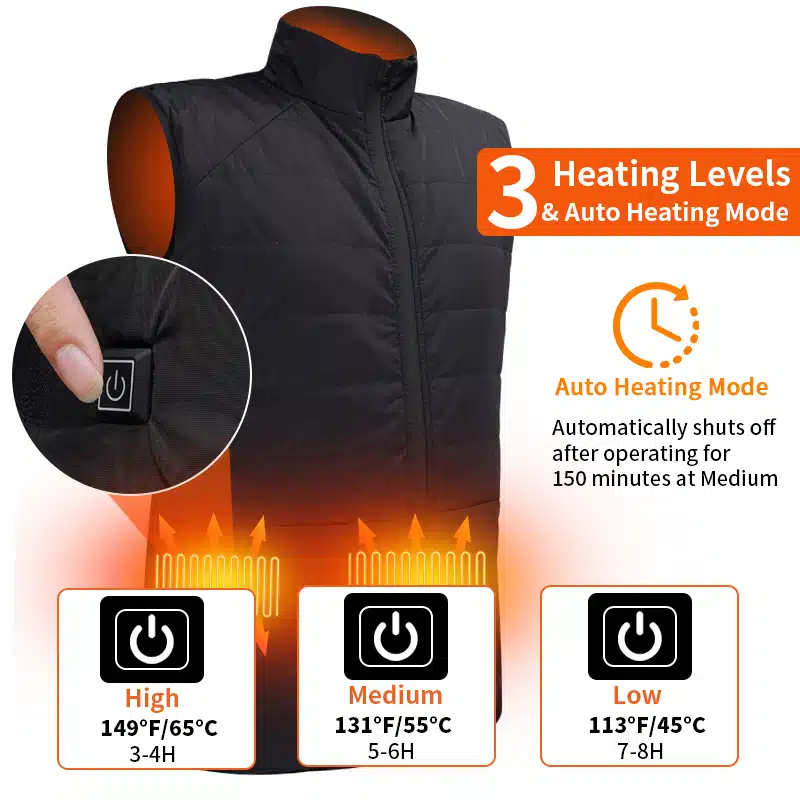

Heated gloves combine textile manufacturing with electronic heating technology.
Compared with ordinary winter gloves, their development process involves additional considerations such as heating element placement, battery compatibility, wiring structure, temperature control and product safety.
For brands, distributors and private-label buyers, understanding how heated gloves are manufactured can make it easier to evaluate suppliers and develop products that match specific markets. Our own capability is set out under OEM and ODM services, and the finished specifications are in the rechargeable heated gloves buying guide.
What Goes Into a Heated Glove?
A typical rechargeable heated glove consists of several interconnected systems:
- Outer shell
- Thermal insulation
- Inner lining
- Heating elements
- Conductive wiring
- Temperature controller
- Power connection
- Rechargeable battery
- Wrist closure system
- Palm grip materials
The challenge for manufacturers is not simply adding a heating element to a glove.
Every component needs to work together while keeping the glove comfortable, flexible and suitable for winter use.
Step 1: Defining the Product Application
Heated glove development normally starts with the intended application.
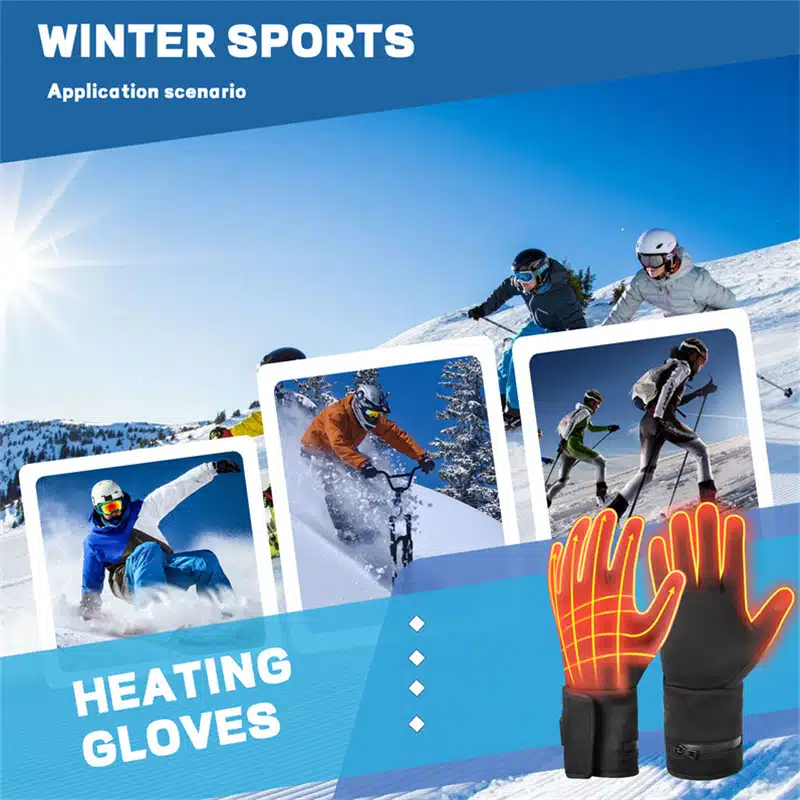
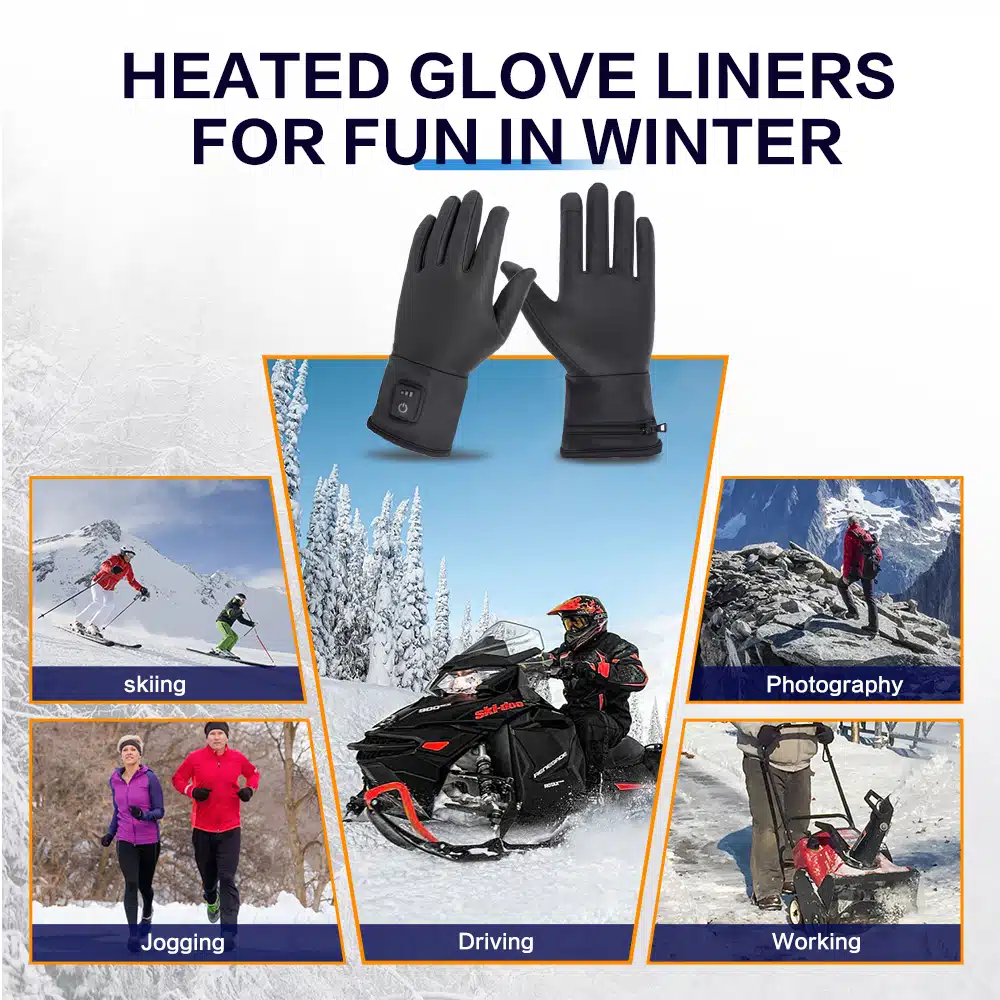
A glove designed for skiing may require different materials and construction from one designed for fishing, motorcycle riding or outdoor work.
During the product development stage, manufacturers and buyers typically define factors such as:
- Target market
- Intended activity
- Heating area
- Required temperature levels
- Battery specifications
- Waterproof or wind-resistant requirements
- Palm grip design
- Finger flexibility
- Size range
- Branding requirements
Clear product positioning helps determine the technical structure of the glove.
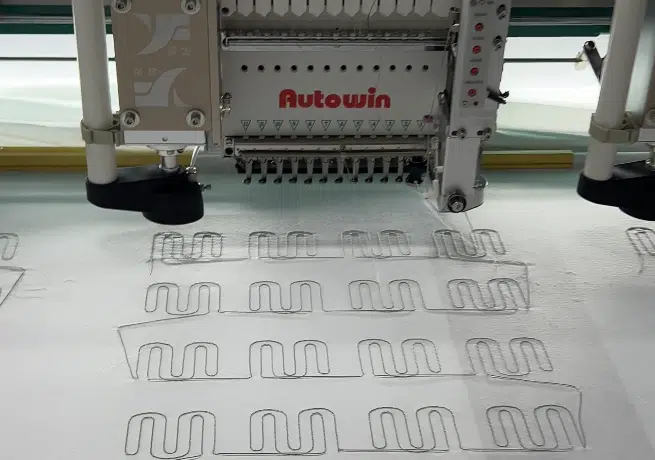
Step 2: Designing the Heating System
The heating system is the core of the product.
Manufacturers need to determine where heating elements should be placed and how they will be integrated into the glove.
Possible heating areas include:
- Fingers
- Fingertips
- Back of the hand
- Palm area
The final design depends on the application and required balance between heating performance and flexibility.
Heating elements must also be positioned so that normal hand movement does not create excessive stress on the internal electrical structure.
Step 3: Selecting the Battery and Power System
The battery affects several important aspects of a heated glove:
- Heating temperature
- Operating time
- Product weight
- Charging method
- Wearing comfort
Battery size and capacity must therefore be matched to the heating system.
Simply using a larger battery is not always the best solution because additional battery weight can affect comfort.
A well-designed heated glove system should balance heating output, runtime and portability.
Step 4: Choosing Glove Materials
Material selection depends on the intended market and application.
A heated glove may include multiple material layers, each serving a different function.
Outer Material
The outer shell helps protect the hand from cold air, wind and environmental exposure.
Insulation Layer
Insulation helps retain both body heat and heat produced by the heating system.
Inner Lining
The lining affects comfort and the overall wearing experience.
Palm Material
Anti-slip textures or reinforced palm sections can improve grip and durability.
For customized projects, buyers may also request different colors, fabrics, surface finishes or performance characteristics.
Step 5: Developing Functional Features
Different markets require different glove features.
OEM and ODM heated glove projects may include options such as:
- Multiple temperature settings
- Rechargeable battery systems
- Touchscreen-compatible fingertips
- Flip-back fingertips
- Anti-slip palm designs
- Adjustable wrist straps
- Zipper battery pockets
- Extended cuffs
- Custom buttons or controllers
These features should be considered during the design stage rather than added after the glove structure has already been finalized.
Step 6: Creating Samples
Sampling is one of the most important stages in heated glove development.
A sample allows the buyer and manufacturer to evaluate:
- Glove fit
- Heating position
- Temperature performance
- Finger movement
- Battery placement
- Wiring structure
- Material feel
- Visual appearance
- Branding
If adjustments are needed, the manufacturer can modify the design before moving toward larger production quantities.
This is particularly important for private-label products because different brands may have different requirements for appearance, performance and target price.
Step 7: Testing the Heating System
Heated products require additional testing compared with conventional apparel.
Manufacturers may evaluate areas such as:
- Heating functionality
- Temperature consistency
- Controller operation
- Battery connection
- Wiring durability
- Charging performance
- Product assembly
Testing requirements may vary depending on the destination market, battery configuration and customer specifications.
For B2B buyers, discussing testing and compliance requirements early in the project can help prevent delays later in the development process.
OEM vs. ODM Heated Gloves
Buyers often see both terms when searching for a heated gloves manufacturer.
OEM Heated Gloves
OEM projects generally involve manufacturing according to a buyer’s existing specifications or design.
Customization may include:
- Logo
- Color
- Packaging
- Label
- Heating configuration
- Battery option
ODM Heated Gloves
ODM projects may involve greater support from the manufacturer in product development.
The manufacturer may help with:
- Product concept
- Material selection
- Heating system design
- Structural development
- Sampling
- Custom feature integration
The best model depends on how mature the buyer’s product concept is.
What Should Buyers Ask a Heated Gloves Manufacturer?
Before starting a project, brands and distributors should clarify several important questions.
Can the heating area be customized?
Heating layout can significantly affect product positioning and cost.
What battery configurations are available?
Battery capacity, voltage and charging options should match the intended product.
Can materials and colors be customized?
This is particularly important for private-label and brand-specific products.
Can the manufacturer support sample development?
Sampling makes it possible to evaluate the product before mass production.
What testing or certification support is available?
Requirements can differ between markets, so this should be discussed before production.
Can packaging and branding be customized?
Private-label buyers may require custom logos, labels, packaging and product documentation.
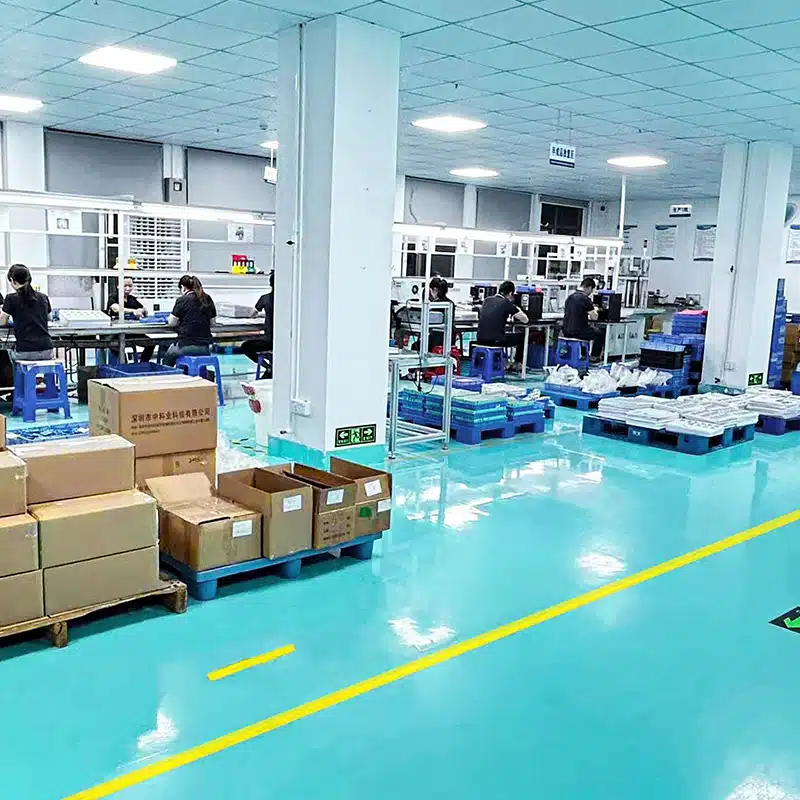
Why Manufacturing Experience Matters
Heated gloves sit at the intersection of apparel and electronics.
A supplier needs to understand not only glove construction, but also heating performance, battery integration and internal wiring.
For B2B buyers, manufacturing capability therefore matters throughout the complete development process—from initial concept and sample testing to customization and production.
DR.WARM Heated Gloves OEM & ODM Solutions
DR.WARM provides heated wearable product development and manufacturing solutions for brands, distributors and B2B buyers.
Our heated glove projects can support different requirements in areas such as:
- Product structure
- Heating configuration
- Materials
- Colors
- Branding
- Packaging
- Battery solutions
- OEM and ODM development
By combining heated product experience with customization capabilities, we help customers develop heated gloves for different winter markets and outdoor applications.
Frequently Asked Questions
Can heated gloves be customized with a brand logo?
Yes. Depending on the project, branding options may include product logos, labels and customized packaging.
Can the heating area be customized?
Heating configurations can be developed according to the intended application and product structure.
Can I develop a private-label heated glove?
Yes. OEM and ODM programs can support brands and distributors developing private-label heated products.
What information should I provide before requesting a quotation?
Useful information includes target market, required quantity, product style, heating requirements, battery specifications, branding needs and packaging requirements.
Conclusion
Choosing a heated gloves manufacturer involves more than comparing price.
Heating technology, battery integration, material selection, product construction, customization capability, sampling and quality control all influence the final product.
For brands and distributors planning to develop their own heated glove line, working with a manufacturer that understands both textile construction and electric heating systems can make the development process more efficient and reliable.