Blog

Image of a production facility or customizable glove samples, representing OEM/ODM services for heated glove liners targeting business buyers.
Blog

Heated Gloves vs Heated Mittens

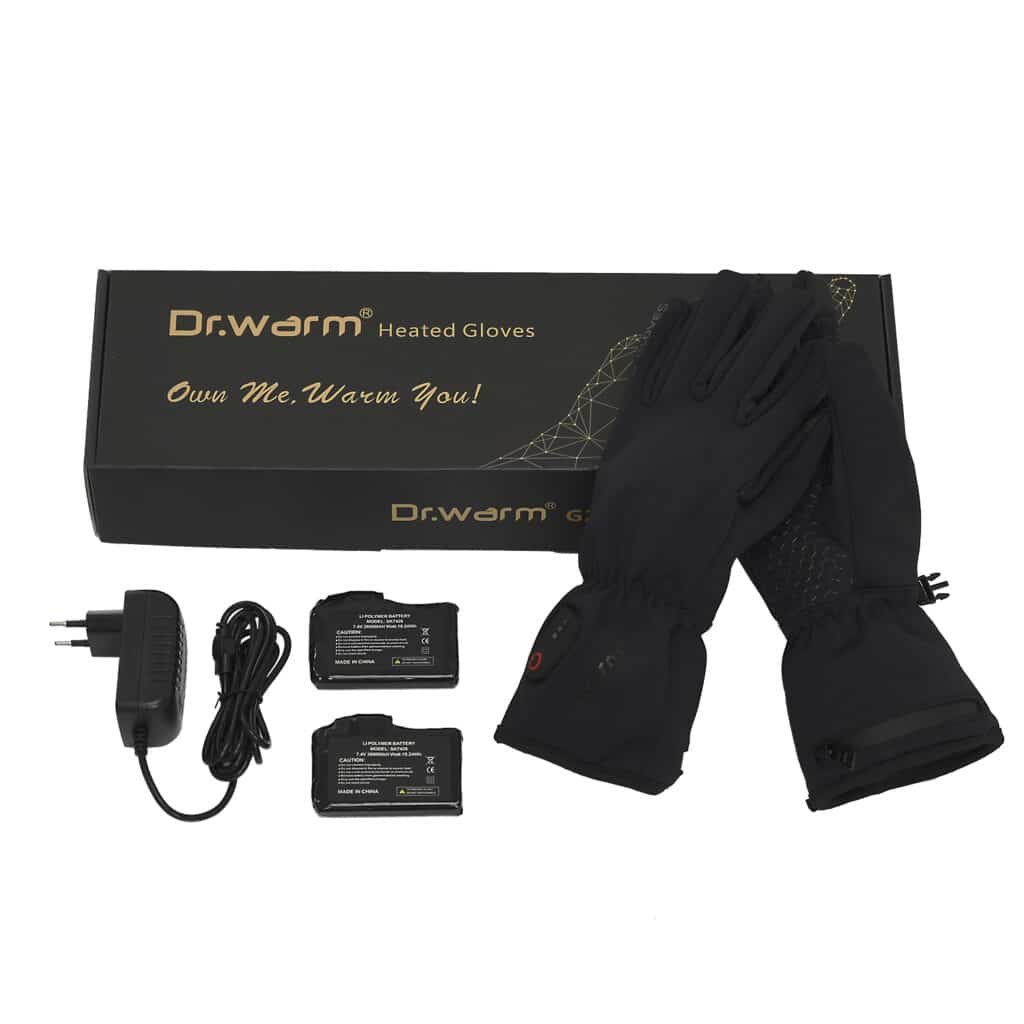
The heated gloves vs heated mittens debate centers on warmth versus usability: mittens trap more heat for extreme cold, while gloves allow better finger movement for tasks. Heated mittens vs gloves differ in insulation, battery efficiency, and fit, with mittens often warmer due to shared finger space. Choosing depends on your activity—gloves for precision like skiing, mittens for passive warmth like snowboarding.
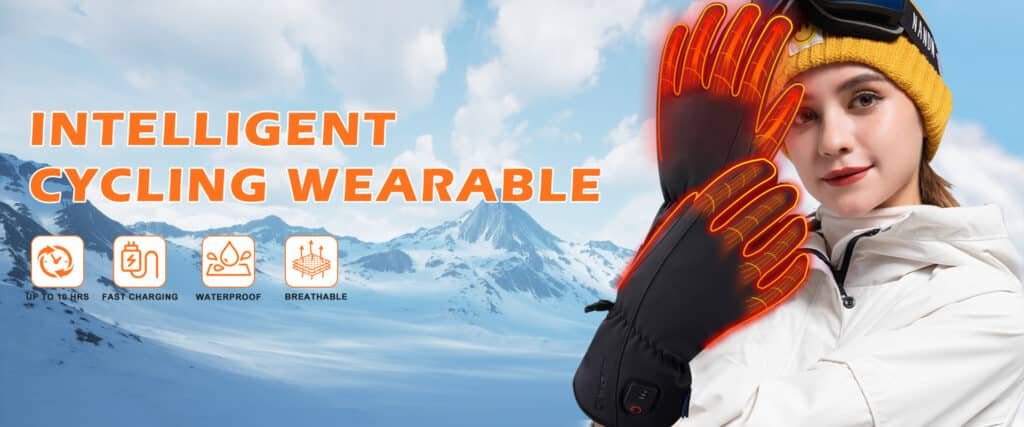
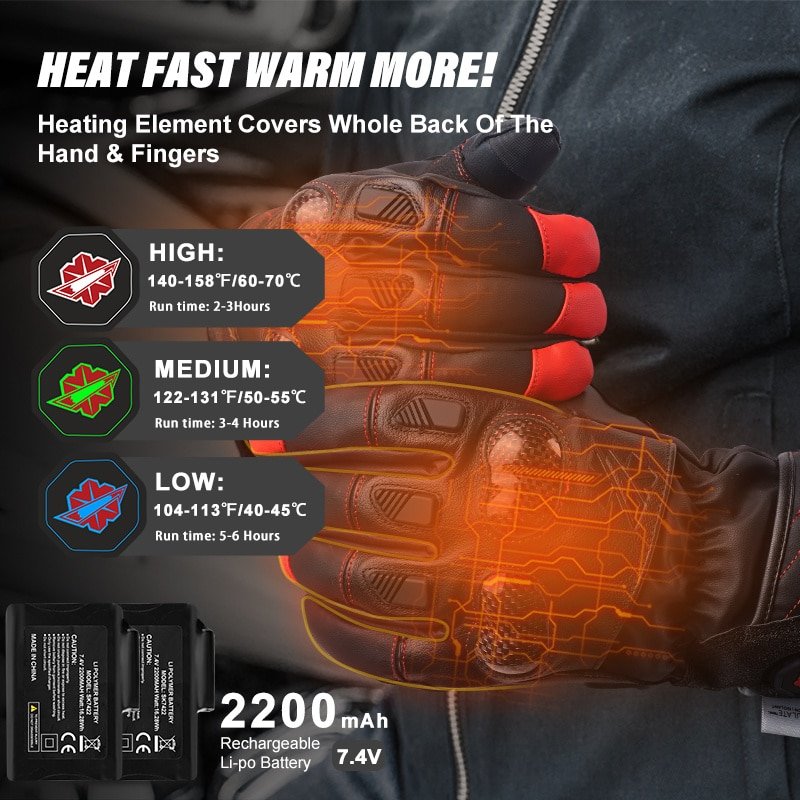
Heated Cycling Gloves : 6–10 hours runtime on low, waterproof, fast-heating in seconds, anti-slip for bar control.
Blog

How Do Electric Heated Gloves Work?

Electric heated gloves create targeted warmth by running current through resistive heating elements like carbon fiber or graphene, powered by rechargeable batteries that deliver adjustable heat levels. The batteries and controllers regulate power to ensure even distribution, while insulation and safety features provide comfort without risks. In cold conditions, this design keeps fingers functional for activities like skiing or outdoor work, making heated gloves a reliable winter essential.

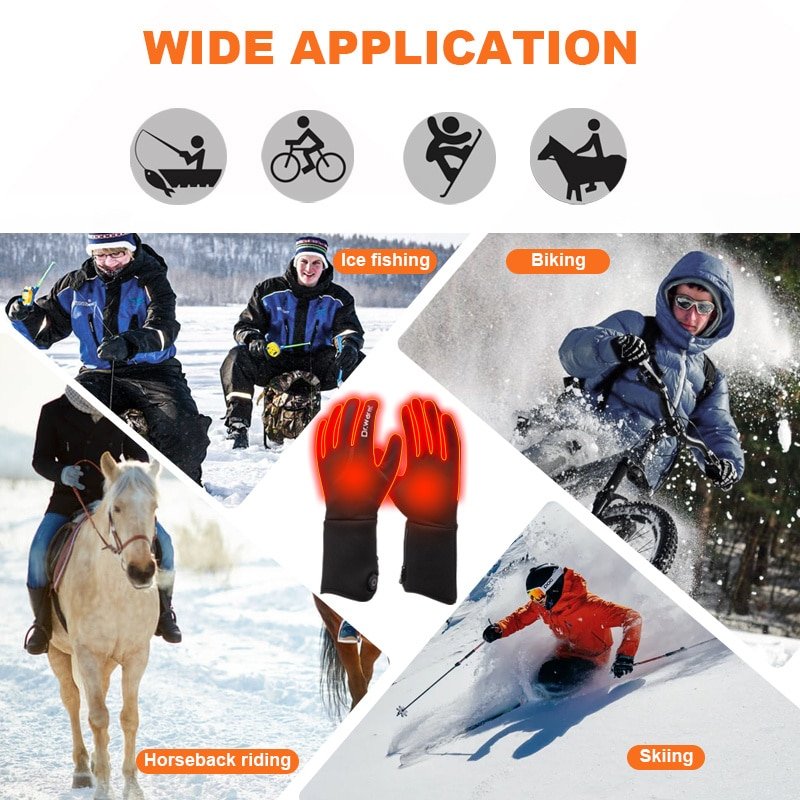
Infographic style image listing the key features of the gloves: touchscreen, waterproof, windproof, rechargeable, and anti-slip.
Blog

OEM Heated Gloves: What Brands Must Know

Brands developing OEM heated gloves must understand key elements like heating technology, battery standards, and safety concerns to ensure reliable products. This guide highlights heated glove manufacturing essentials, from heating systems to certifications, and offers strategies to avoid delays and quality issues. By prioritizing engineering and clear communication, you can create market-ready heated gloves that meet consumer demands for warmth and durability.

A premium hero shot of the Dr.Warm outdoor heated gloves in a rugged, natural setting, encapsulating all its key features in one powerful image.
Blog

How Battery Technology Impacts Heated Clothing Performance (Capacity, Safety, Runtime)

Battery technology is the backbone of heated apparel, where battery capacity, cell type, voltage, and safety systems dictate everything from heat intensity to heated clothing runtime. Higher-capacity lithium packs extend warmth in cold conditions, while proper voltage ensures quick heating without compromising safety. Understanding these elements helps brands deliver reliable gear for activities like skiing or outdoor work, balancing performance with user comfort.

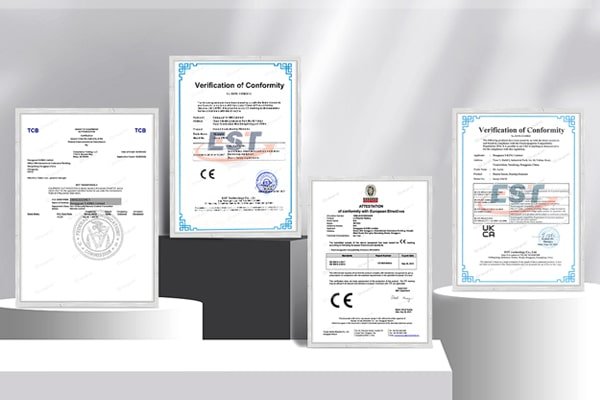
Collection of safety certifications including CE, RoHS, FCC, and UL badges for Dr.warm heated insoles, confirming compliance for USB powered and battery powered heated foot warmers and electric heated apparel
Blog

Safety Standards for Heated Clothing: CE, FCC, RoHS, UL Explained

Navigating heated clothing safety standards is crucial for brands launching products like jackets or gloves, with key certifications ensuring consumer protection and market access. This overview explains CE certification for heated apparel, FCC certification for heated clothing, RoHS compliance heated gear, and UL testing for heated jackets, plus how to achieve compliance. By prioritizing these, manufacturers can avoid risks and build trust in their heated gear.

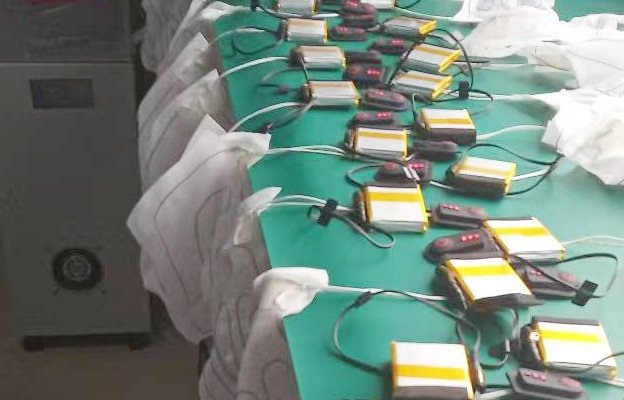
Heated Apparel Battery and Heating Element Testing Before Mass Production
Blog

Carbon Fiber vs Heating Film vs Heating Wire: Which Heating Element Is Best for Heated Clothing?

In the world of heated apparel, carbon fiber heating elements, graphene heating films, and heating wires vary significantly in heat output, flexibility, and longevity. Carbon fiber offers superior durability for demanding uses, while graphene film excels in even heating and efficiency; heating wire remains a budget-friendly but less reliable option. The best heating element for heated clothing depends on your needs—whether prioritizing comfort, cost, or rugged performance in items like jackets or gloves.

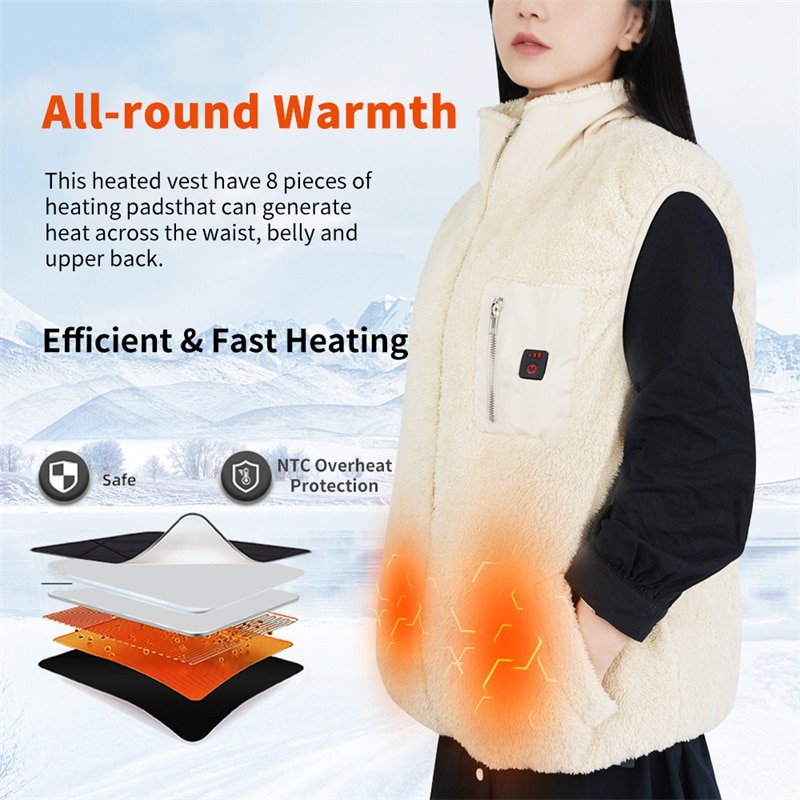
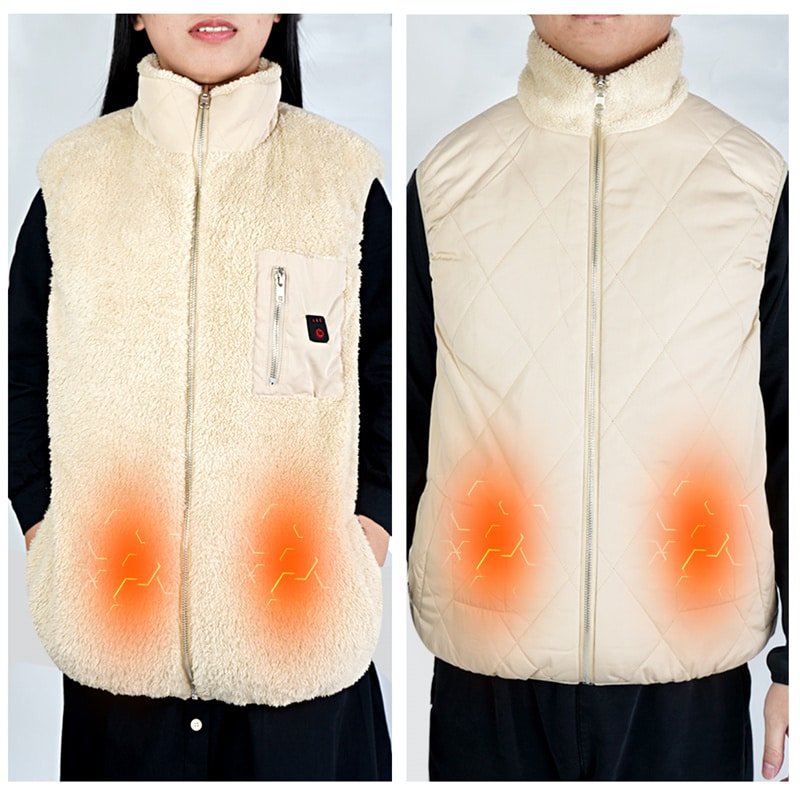
Rechargeable Electric Heated Vest with Long Lasting Battery for Dual Sided Wear
Blog

How to Design Custom Heated Apparel for Your Brand: Fabrics, Heating Systems, and Battery Options

Designing custom heated apparel for your brand involves key decisions on fabrics, heating systems, and battery options to ensure warmth, comfort, and market appeal. From selecting durable fabrics for heated jackets to optimizing heating element layout for apparel and choosing battery capacity for heated gear, this guide outlines the process. Brands can leverage OEM heated clothing development to launch successful lines tailored to winter sports, workwear, or daily use.

ODM Manufacturer for Custom Reversible Heated Vests with Adjustable Dual Face Heating
Blog

How Temperature Control Systems Work in Heated Apparel (APP, Remote, Switch Modes)

Temperature control systems in heated apparel, including APP control heated clothing, remote control heated jacket options, and three-level switch heated gear, regulate heat via voltage adjustments and sensors for optimal comfort. Each system—basic switches for simplicity, remotes for convenience, and apps for precision—suits different needs, with apps excelling in multi-zone setups. Understanding these helps select the best heated clothing controller system for activities like skiing or daily commutes.

Data Backed Performance of This USB Heated Vest from Professional Manufacturer
Blog

MOQ, Lead Time, and Costs: What to Expect When Customizing Heated Jackets or Gloves

Customizing heated jackets or gloves involves specific MOQ for heated apparel (typically 300-1,000 units), lead time for heated clothing ranging from 45-90 days, and costs influenced by electronics, fabrics, and testing. Buyers should anticipate higher expenses due to integrated heating systems, with breakdowns helping to manage expectations. This guide outlines realistic timelines, pricing factors, and strategies to optimize your heated jacket manufacturing cost or heated glove production price.

Custom heated vest for OEM and ODM wholesale orders, built in our own factory
Blog

How Heated Clothing Is Manufactured: Full Production Process Explained

The heated clothing production process involves a blend of garment manufacturing and electronics engineering, starting with design and prototyping, followed by materials sourcing, cutting, sewing, heating element integration in apparel, battery assembly for heated clothing, and rigorous QC. From how heated jackets are made to assembling heated gloves, each step ensures safety, performance, and durability. This workflow highlights why heated apparel manufacturing demands specialized factories equipped for both textiles and tech.

Scroll to Top

Request A Quote​