Blog

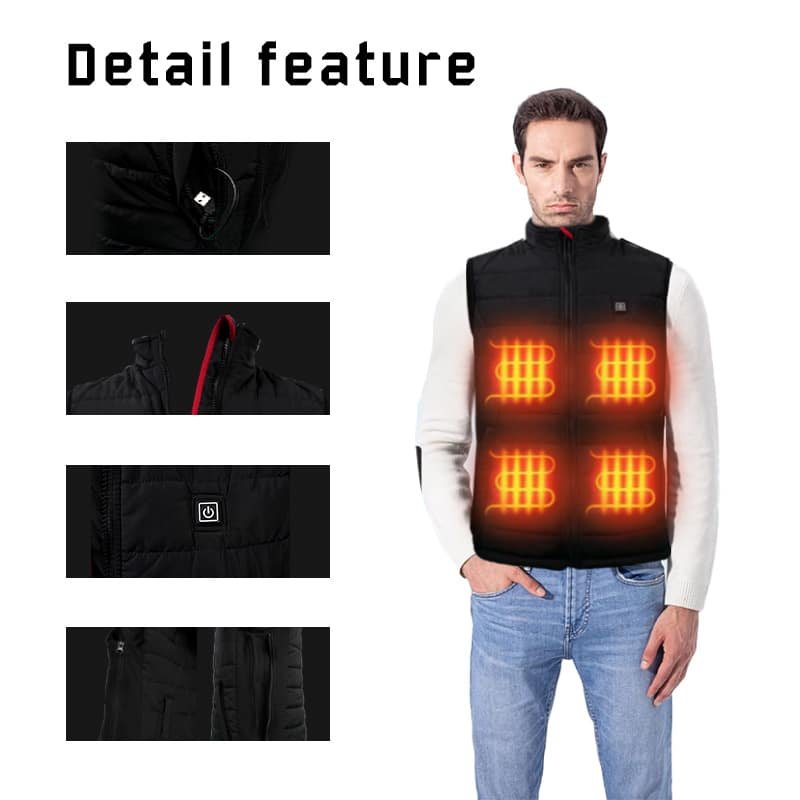
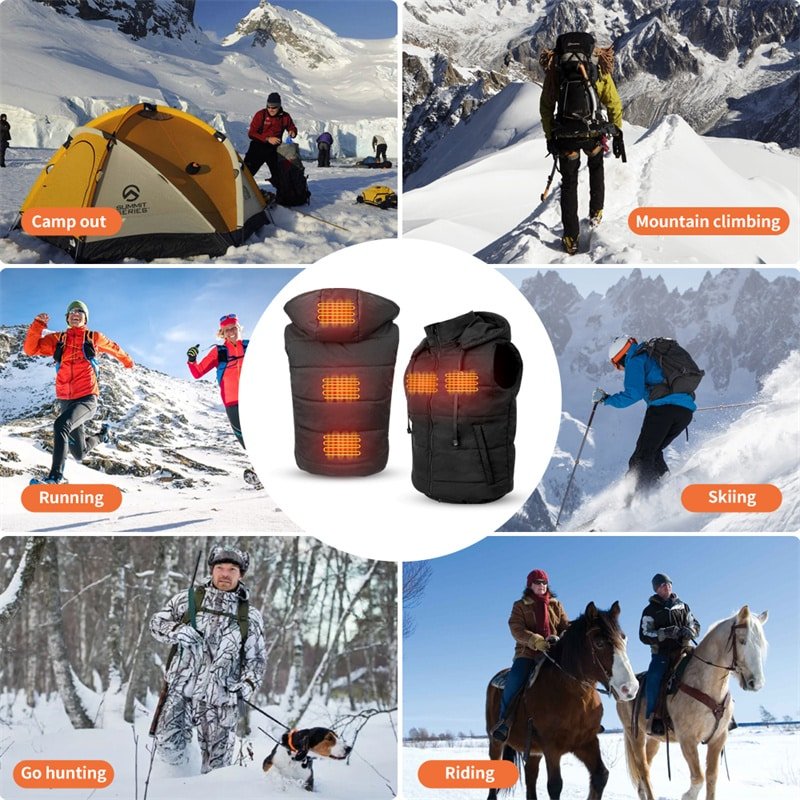
Casual Outdoor Heated Vest for Men and Women Rechargeable Thermal Winter Vest Supplier
Blog

OEM vs ODM in Heated Apparel: What’s the Difference for Global Brands?

For global brands entering the heated apparel market, understanding the core difference between OEM and ODM is essential—OEM focuses on manufacturing your designs, while ODM offers ready-made solutions with customization. This guide explores how each impacts heated jacket development, battery integration, and heating systems, helping you choose based on budget, timeline, and technical needs. By grasping these distinctions, brands can avoid common pitfalls and partner with the right heated apparel manufacturer for safe, high-performance products.

Custom heated vest for OEM and ODM wholesale orders, built in our own factory
Blog

How to Choose an OEM Heated Clothing Manufacturer in China (Complete Guide for 2025–2026)

Selecting the right OEM heated clothing manufacturer in China is vital for avoiding safety risks like battery failures and ensuring high-performance products that meet market demands. This guide covers essential criteria, from R&D capabilities to certifications, helping global buyers navigate the process effectively. With insights into heating technologies and common pitfalls, you’ll gain the knowledge to partner with a factory that delivers reliable, customized heated apparel for 2025–2026 trends.

Heated clothing OEM development process showing comfortable winter apparel use and product planning for brand orders
Blog

Should You Choose USB Powered or Battery Powered Heated Gear?

When deciding between USB powered heated gear and battery powered heated clothing, the main differences lie in voltage, heat output, and suitability for various activities. USB heated gear offers affordability and portability for light use, while battery powered options deliver superior warmth for extreme cold—each with distinct pros and cons. Ultimately, your choice depends on whether you prioritize budget and convenience or high-performance heating in demanding conditions.

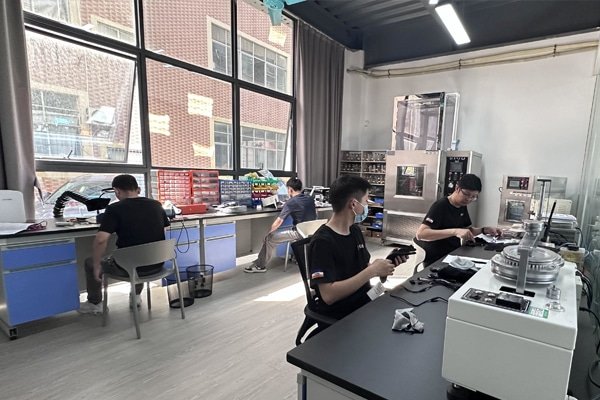
OEM heated apparel manufacturer performing pre-production testing and quality control on heated clothing to ensure safety, durability, and mass production readiness.
Blog

How to Test Heated Apparel Before Mass Production

Testing heated apparel before mass production is essential to prevent defects, ensure user safety, and maintain product reliability in cold-weather gear. Key tests include battery safety, heating performance, and durability checks that verify everything from temperature accuracy to waterproofing. By following a structured heated clothing inspection process, manufacturers can boost quality, reduce returns, and comply with standards like CE and UN38.3.

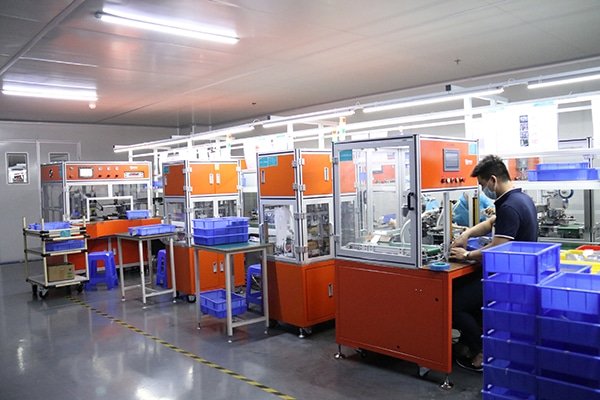
Inside a modern, clean factory workshop dedicated to producing heating elements for custom apparel, showing automated equipment and quality control stations.
Blog

What Is the Best Heating Element for Custom Apparel?

When selecting the best heating element for custom apparel, graphene heating film excels in efficiency and lightness, while carbon fiber offers superior durability. Understanding differences in heating speed, flexibility, and cost helps optimize performance for heated jackets, gloves, and vests. For OEM projects, the right choice balances safety, battery life, and application needs.

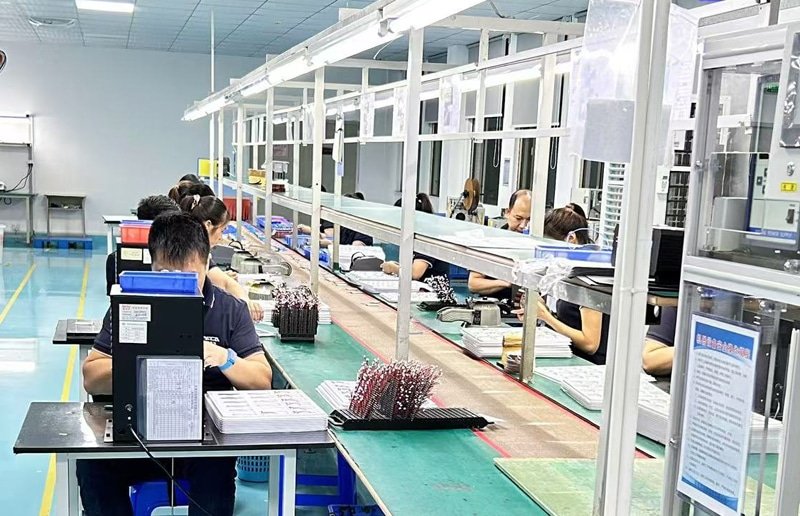
Inside a modern battery manufacturing facility, showing technicians and automated assembly lines producing and testing lithium-ion battery packs for heated clothing applications.
Blog

How to Calculate Battery Capacity for Heated Clothing Projects 

Battery capacity is crucial for heated apparel, directly affecting runtime, warmth consistency, and user satisfaction in cold conditions. This guide explains how to calculate the ideal battery size by factoring in power consumption, voltage, and desired hours of use. Whether for jackets, gloves, or vests, proper sizing prevents underperformance and enhances safety in custom designs.

Diagram illustrating the internal technology of a heated glove, highlighting carbon fiber heating elements across fingers and palm, a 3-level heat control button, and a waterproof Gore-Tex membrane.
Blog

Why Heated Gloves Are Essential for Skiers and Snowboarders

Heated gloves are crucial for skiers and snowboarders, providing essential warmth that prevents numbness and enhances grip during high-speed runs. By combating frostbite risks and maintaining dexterity, these gloves boost overall safety and allow for longer, more enjoyable sessions on the slopes. Ultimately, they transform cold-weather challenges into peak performance opportunities.

Attention-grabbing graphic listing the top 10 common errors buyers make when purchasing heated jackets, gloves, and other apparel.
Blog

Heated Apparel for Industrial Workwear: How It Improves Worker Safety

In harsh industrial settings, heated apparel for workers significantly enhances safety by preventing cold stress and maintaining dexterity. This advanced cold weather PPE, including heated jackets for workers and gloves, reduces accidents caused by fatigue. Employers investing in heated industrial workwear see improved productivity and worker protection in low-temperature environments.

A hiker wearing advanced heated apparel, including a jacket and gloves, trekking up a snowy mountain trail, showcasing battery-powered warmth in extreme cold.
Blog

Why More Brands Are Adding Heated Clothing to Their Winter Product Lines

More brands are expanding into heated clothing to meet rising consumer demand for advanced winter gear that combines tech with comfort. Key market forces like battery innovations and outdoor lifestyle trends are driving adoption in sports and workwear. This article delves into strategic benefits, helping brands position heated apparel as a premium addition to their portfolios.

Scroll to Top

Request A Quote​