Blog

A person wearing a heated jacket with smartphone app control, showing battery placement and waterproof Gore-Tex fabric technology.
Blog

Heated Clothing Market Trends 2025–2026: What Buyers Should Know

The heated clothing market is poised for robust growth through 2025–2026, driven by advancements in smart controls, longer-lasting batteries, and rising demand for weather-resistant designs. Buyers should note trends like app-integrated apparel and stricter safety regulations, which will influence product availability and pricing. As consumer preferences shift toward versatile, high-performance gear, understanding these forces helps in making informed purchasing decisions for winter essentials.

DO NOT USE - third-party certificate collage (not S-KING)
Blog

What Certifications Do You Need for Heated Apparel? CE, FCC, RoHS Explained

Heated apparel requires certifications like CE, FCC, RoHS, UN38.3, and IPX ratings to address electrical safety, chemical restrictions, and battery hazards. Each standard ensures products meet global regulations, preventing issues like overheating or customs blocks. This guide explains what they cover and how they facilitate entry into markets like Europe and the US, helping manufacturers and brands prioritize compliance for reliable, safe gear.

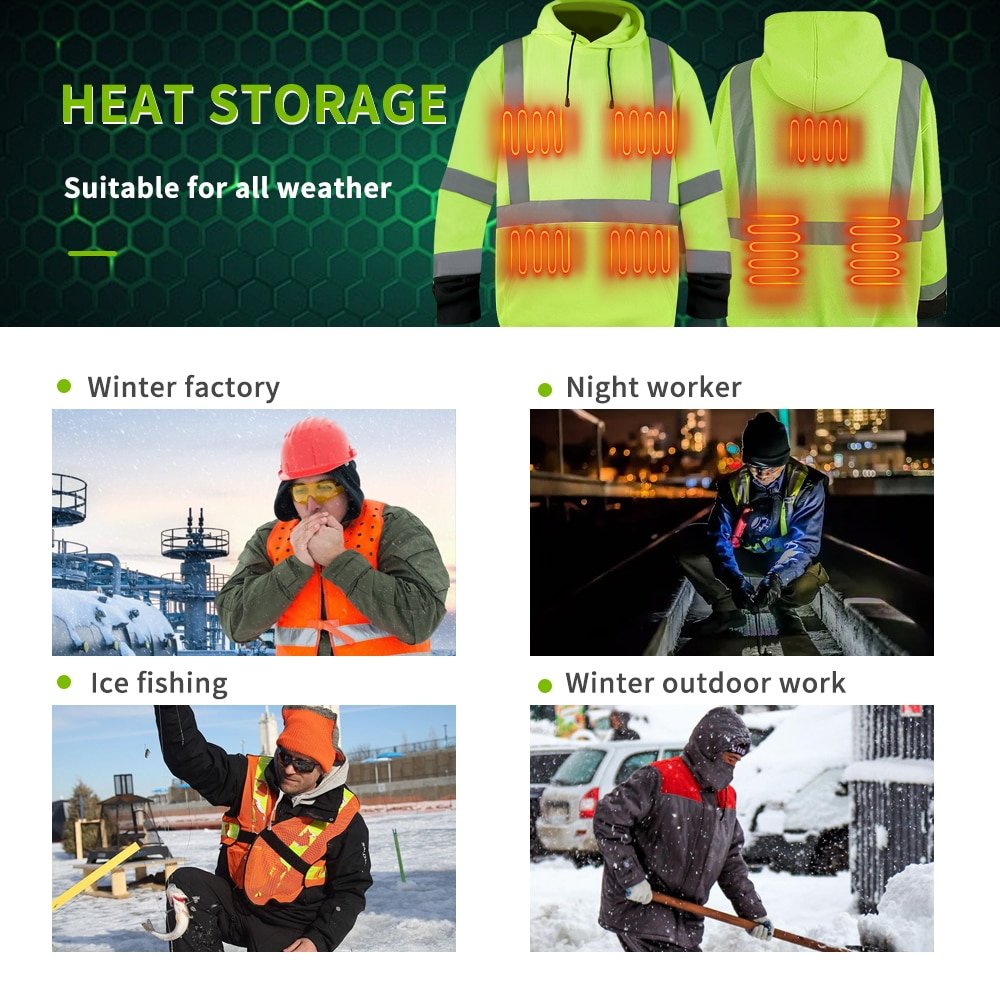
Dr. Warm Hi-Vis Electric Heated Safety Jacket for Work
Blog

How to Choose Battery, Heating Levels, Fabrics & Components for Your Heated Apparel Project

Buyers often encounter pitfalls like poor battery integration or communication breakdowns when partnering with heated clothing factories, leading to delays, safety hazards, or subpar products. This article breaks down the most common problems, from technical mismatches to supply chain woes, using real scenarios to illustrate why they occur. By understanding these risks and applying practical avoidance strategies, brands can build stronger relationships with reliable manufacturers for high-quality heated apparel.

Comprehensive heated clothing component selection flowchart: Start with battery voltage (7.4V for gloves, 12V for jackets) and capacity (mAh/Wh), add BMS protection, connect to smart controller with independent zones, and integrate with heating elements & insulated fabric.
Blog

How to Choose Battery, Heating Levels, Fabrics & Components for Your Heated Apparel Project

Designing heated apparel hinges on selecting the right batteries, heating levels, fabrics, and components to ensure compatibility and performance. Brands must weigh factors like voltage for power delivery, insulation for heat retention, and element types for even distribution. This guide offers decision flows and practical insights from OEM heated apparel development to help create products that excel in real-world conditions.

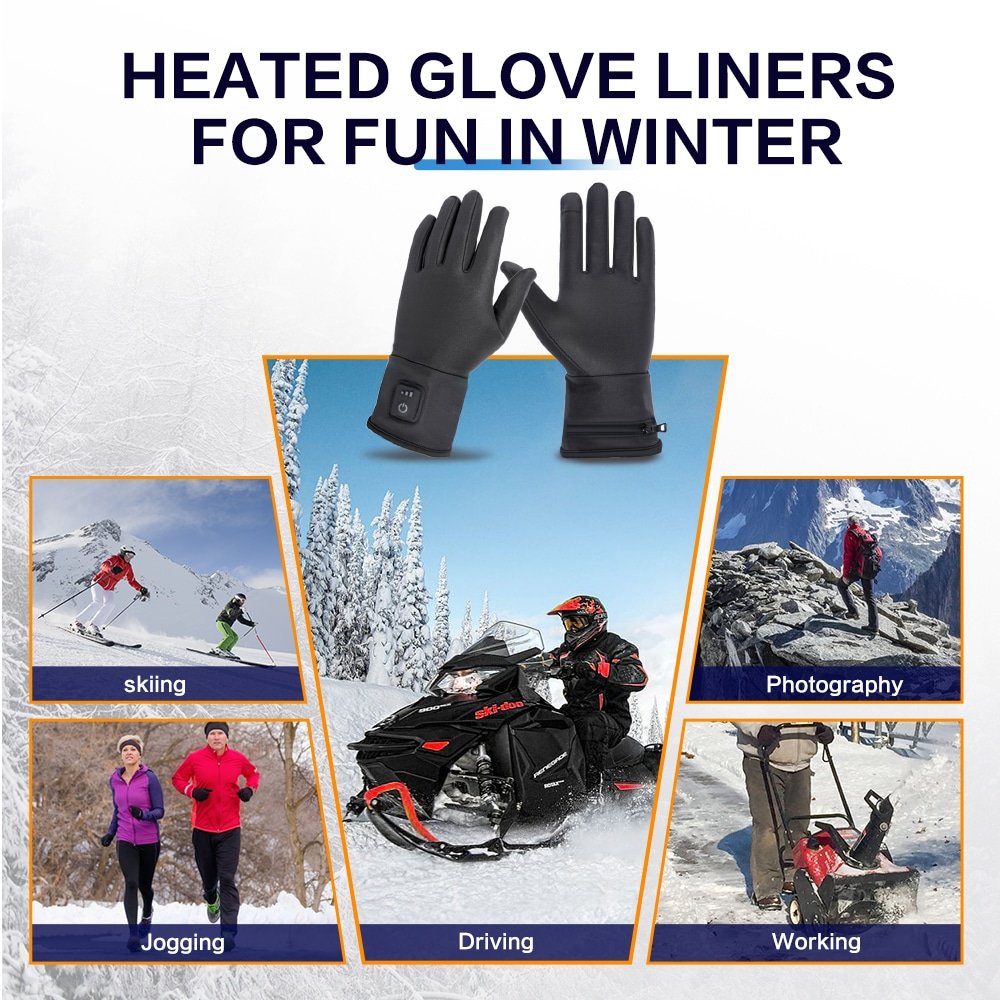
Skier and snowboarder on a mountain slope, highlighting the importance of warm hands with heated gloves for winter sports.
Blog

OEM Heated Gloves: What Brands Need to Know Before Customizing

Customizing OEM heated gloves requires brands to navigate key decisions on heating systems, batteries, and materials to meet user needs like warmth in extreme cold. This guide outlines the OEM process from concept to production, highlighting potential pitfalls and best practices. By focusing on reliable manufacturers, brands can create high-quality products that stand out in competitive markets.

Side-by-side comparison of heated glove prototypes (technical, design, pre-production samples) or equipment conducting heating performance and battery safety tests.
Blog

MOQ, Cost, and Lead Time: What to Expect When Customizing Heated Clothing

When customizing heated clothing, buyers should expect MOQs starting at 500-1,000 units, costs ranging $20-80 per piece depending on features, and lead times of 8-16 weeks from design to delivery. These factors are unique in heated apparel due to the integration of electronics like batteries and heating elements, which require specialized supply chains and testing. Understanding them helps brands manage budgets, avoid delays, and ensure product safety and performance.

Visual roadmap or infographic detailing the complete 8-stage OEM/ODM heated clothing development process: Concept, R&D, Prototyping, Testing, Production.
Blog

A Complete Guide to OEM/ODM Heated Apparel Development (From Idea to Production)

OEM/ODM heated apparel development involves transforming ideas into custom products through stages like design, prototyping, testing, and production, ensuring features like adjustable heating and safe batteries meet market needs. This full lifecycle covers everything from material selection to logistics, helping brands avoid pitfalls in creating heated jackets or gloves. Brands must prioritize safety certifications, realistic timelines, and technical specs to launch high-performance gear successfully.

Technical diagram explaining heated clothing temperature control: microcontroller on PCB uses PWM to regulate power to heating elements for safety and efficiency.
Blog

Temperature Control Systems Explained: APP, Remote, Three-Level Switch

Temperature control systems in heated clothing range from simple three-level switches for basic adjustments to remote controls for hands-free operation and APP integrations for precise, smart regulation. Each works by modulating power to heating elements, ensuring safe warmth without overheating. Choosing the right one depends on your activity—switches for everyday simplicity, remotes for mobility, and APPs for advanced customization in sports or work.

Person confidently wearing a heated jacket in a winter setting, representing safe and reliable warmth.
Blog

How to Find a Reliable Heated Clothing Manufacturer in China

Selecting a reliable heated clothing manufacturer in China is crucial to avoid safety risks like battery failures or poor heating performance that could harm your brand’s reputation. This guide outlines essential criteria such as certifications, technical capabilities, and quality control systems. Follow practical steps for global buyers to source high-quality OEM heated apparel, from initial research to building long-term partnerships.

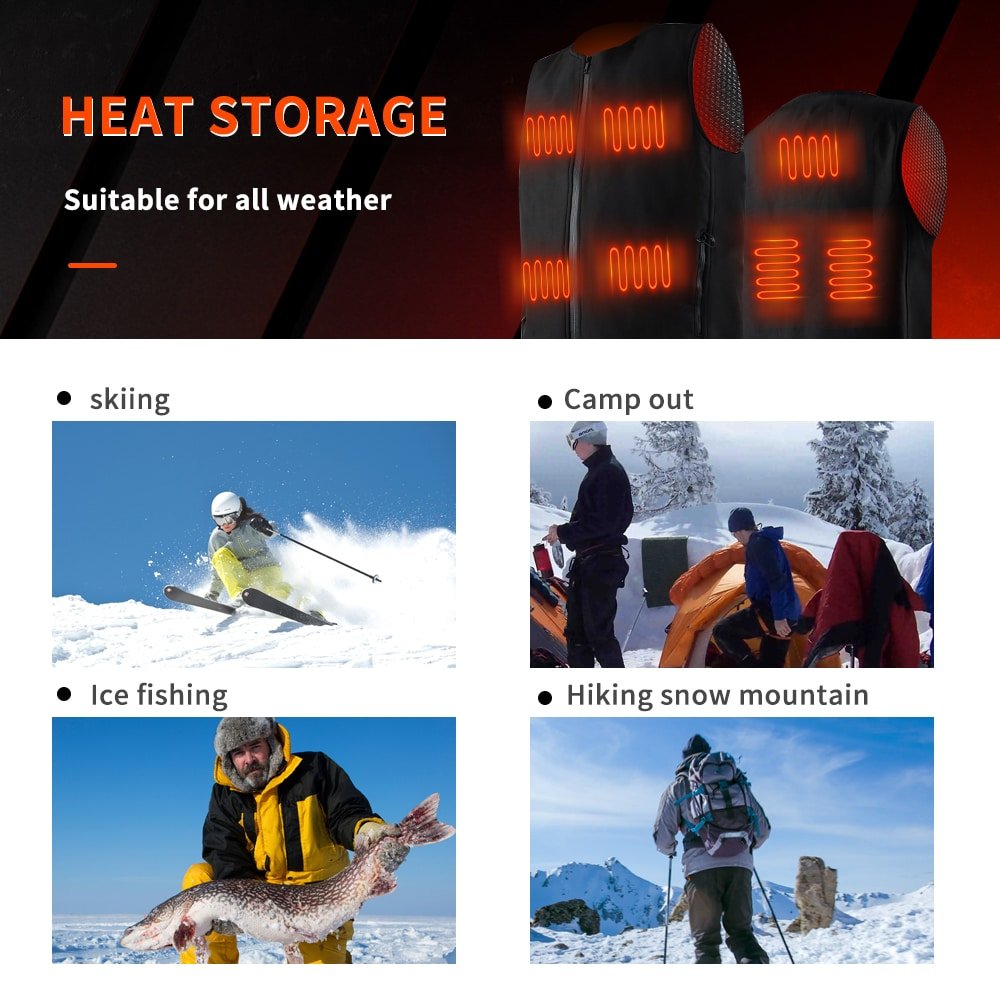
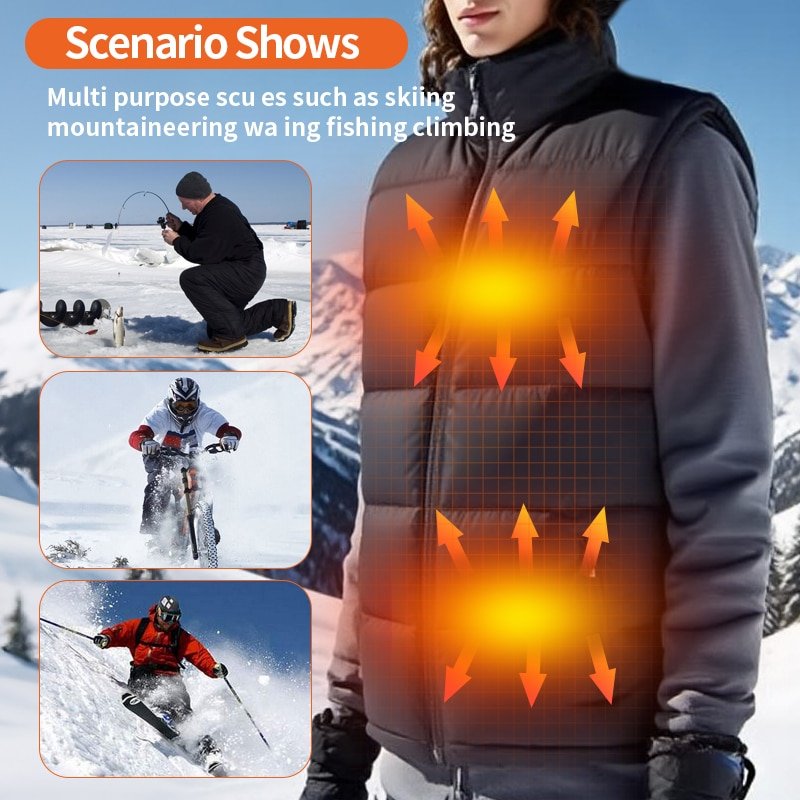
Heated vest worn on a ski slope, with inset images of ice fishing and alpine skiing showing multi-purpose winter use
Blog

How We Test Heated Clothing: Safety, Overheating, and Battery Protection

Heated clothing undergoes rigorous tests for heating performance, overheating protection, battery safety, waterproofing, mechanical durability, and real-world simulations to prevent failures like burns or shorts. These evaluations, aligned with standards like CE and UL, are vital for ensuring products deliver consistent warmth without risks. By understanding these processes, buyers can choose gear that’s truly built to last in winter sports or outdoor work.

Scroll to Top

Request A Quote​