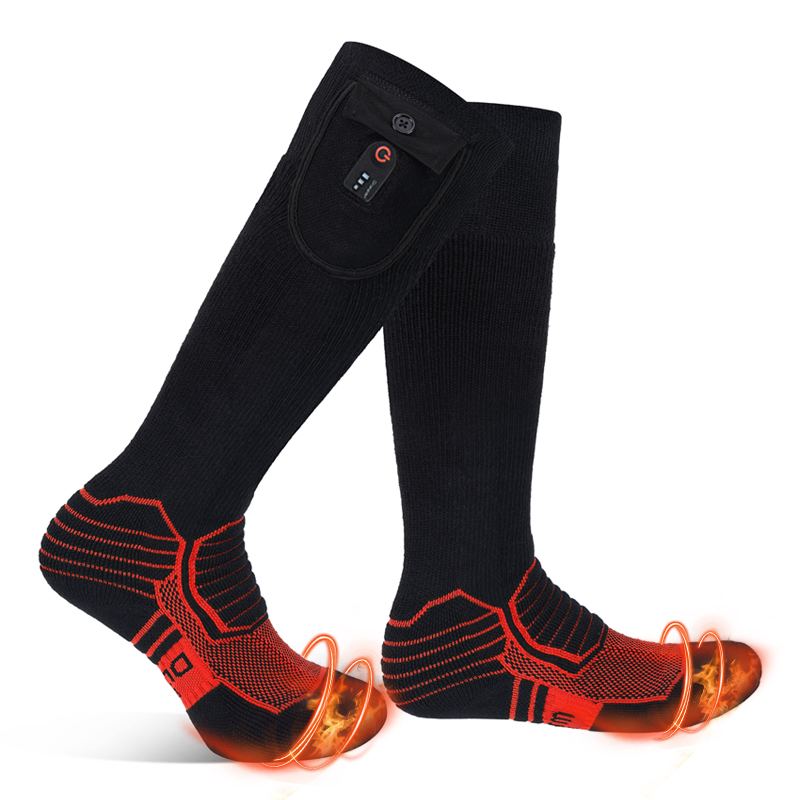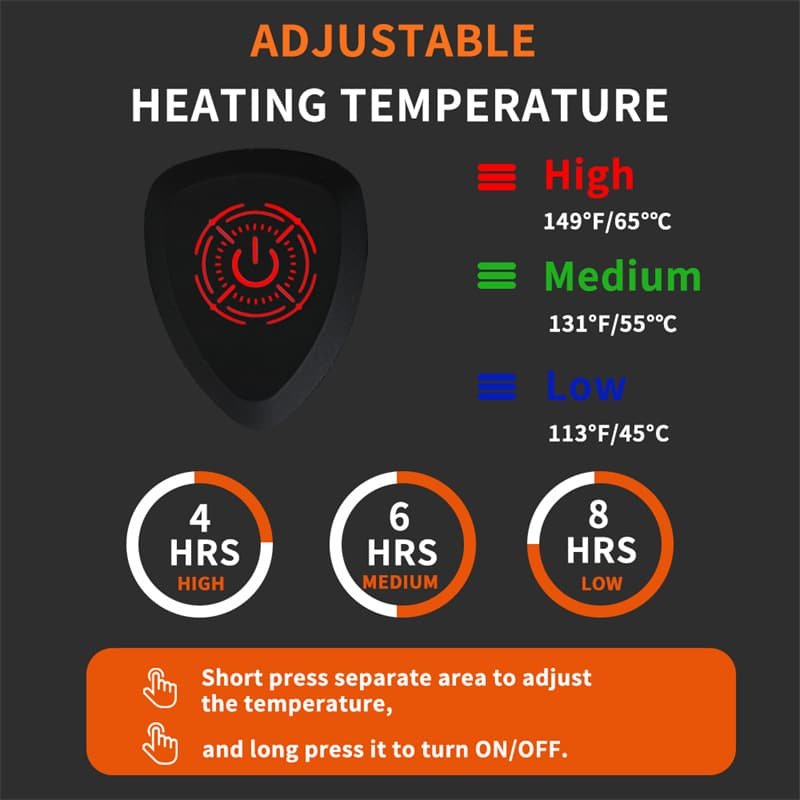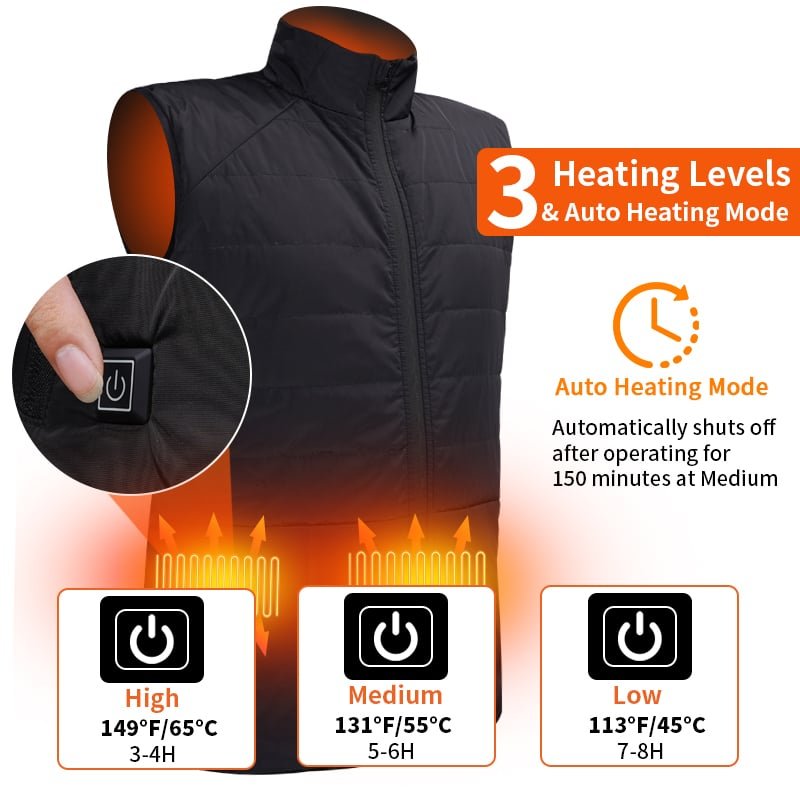

Heated apparel does not have one care rule; it has three, and they are set by how much of the garment can be taken apart. A heated insole can only be wiped. A heated sock usually goes in the wash. A heated jacket sits between the two — often washable, but only after the parts that should not get wet have been removed, and only on a cycle gentle enough for a garment with wiring through the shoulders.
Six things to do before any water is involved
- Remove the battery. Not “switch it off” — out of the pocket and out of the jacket. A pack left in place is a pack being soaked, and the pocket is where water collects.
- Detach the liner and the hood if they are removable. Each removable part has its own plug, and each plug is a place for water to sit. Wash the parts separately or not at all.
- Take the remote out of the pocket. Every season, remotes go through a wash and come back with a lost pairing that gets reported as a broken jacket.
- Close every zip, and fasten the storm flap. An open zip during a wash cycle is a row of teeth being pulled against the fabric, and the front is where the chest elements sit.
- Empty the pockets and turn the jacket inside out. Inside out protects the face fabric and puts the lining — where the elements and their seams are — on the outside, where a gentle cycle is kindest to it.
- Check the care label and the connector covers. If the label allows washing, the connectors should have covers or sealed housings. If there are no covers, wash by hand and keep the cuff and pocket area out of the water.
Hand wash or machine wash: three questions decide
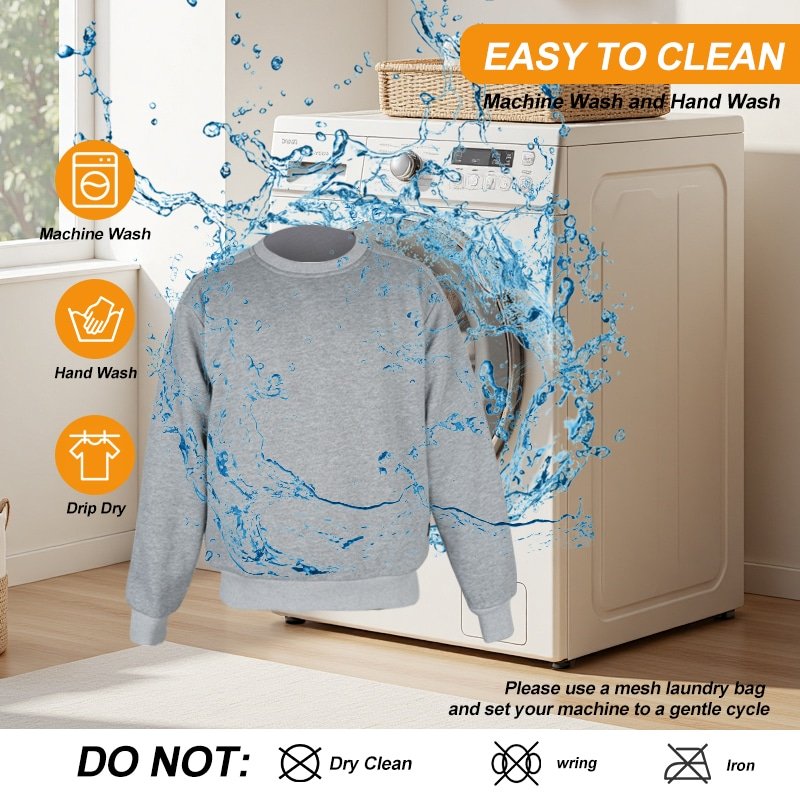
The honest answer is that machine washing is acceptable only when three things are true at once: the care label permits it, the connectors are covered, and the machine has a gentle or hand-wash cycle with a low spin. Miss any one and hand washing is the safer route. A mesh laundry bag is not a decoration — it stops the jacket being pulled by other items and stops a zip from catching on the drum.
| What is on it | Method | What not to do |
|---|---|---|
| Marks on the sleeve or hem | Spot clean with a damp cloth and mild soap | Wash the whole jacket for one mark |
| A season of normal wear | Gentle cycle in a mesh bag, or hand wash, mild detergent | Fabric softener, bleach, or a fast spin |
| Smell rather than dirt | Air it out, then a cool gentle wash if it persists | Hot water “to kill the smell” |
| Mud or road spray on the lower half | Let it dry, brush it off, then spot clean | Wash wet mud into the lining |
| The jacket is not heating | Diagnose it first — do not wash it | Washing adds a second fault to the first |
A parts inventory beats a memory
A jacket has more removable parts than any other heated product, and the annual washing routine is when they go missing. The battery, the remote, the liner, the hood, and on some builds a belt or a second pack — each one is a separate object with a separate place. Put them in one labelled bag when the jacket comes off for washing, and the same bag when it goes into storage.
The reason this matters beyond tidiness is that a missing part and a broken jacket look identical to the wearer. A liner plug not pushed fully home, a remote that was left in a pocket and went through a wash, a pack swapped with another jacket’s — all three present as “it does not heat any more”. A brand that prints a parts list on the care card, with a photo of each connector, removes the most common service ticket in the category at the cost of one page.
Drying is where a jacket is lost
Three rules, and all three are about the wiring rather than the fabric. Do not tumble dry: heat and tumbling together are the worst combination a laminated element can meet. Do not wring or twist: a jacket is long, and wringing puts a shear load along the shoulder run. Do not hang it dripping: the weight of the water pulls the garment out of shape and puts continuous tension on the same seams the elements follow. Press the water out flat with a towel, then hang it on a wide hanger in moving air — a full day, two in a damp room — and check the cuffs and the connector area with a fingertip before it goes back on charge.
Storage: hang it, do not fold it
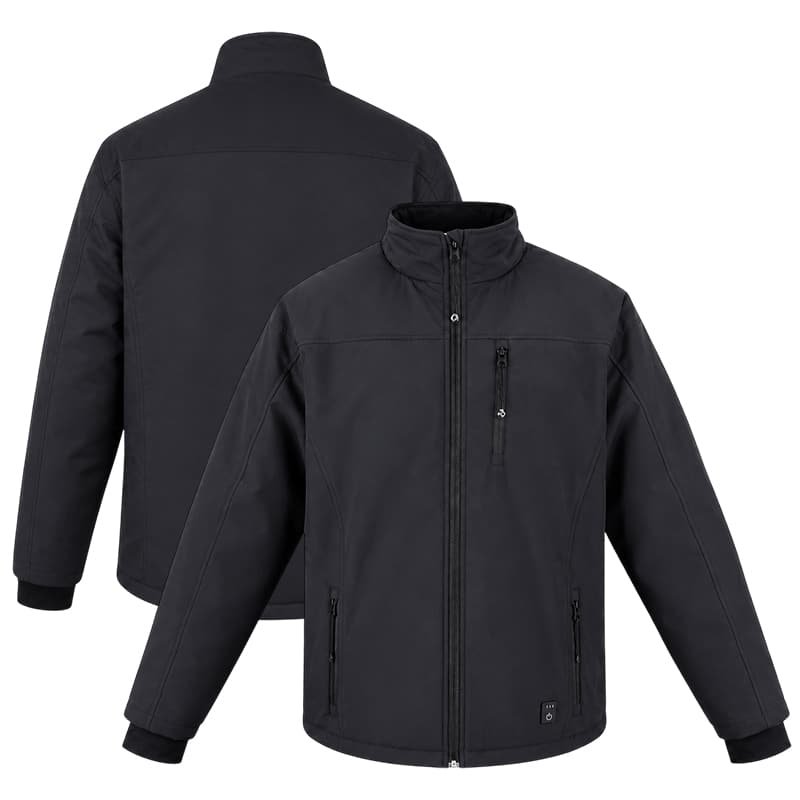
Off-season storage decides more of a jacket’s life than washing does, for one reason: a folded jacket creases along the same lines every time it is stored. A wire that is folded in the same place for four months develops a memory, and the first cold snap finds the fault. Hang the jacket on a wide hanger in a dry room, or lay it flat with nothing on top of it. Never store it compressed in a bag or under other clothing.
| When | What to do |
|---|---|
| End of the season | Clean, dry fully, charge the pack to roughly half, store the jacket hung and the pack detached |
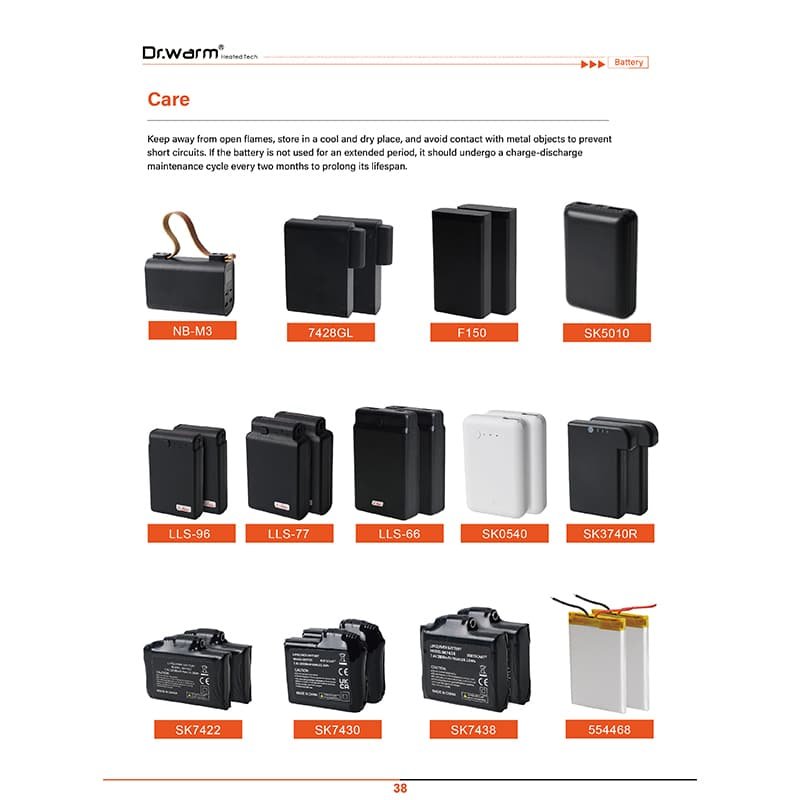
| Every two months in storage | One charge-discharge cycle on the pack — the interval most battery care notes specify |
| Before the first cold week | Full charge, visual check of the connector, five-minute heat test on the bench |
| Never | Store the pack full for months, store it empty for months, or leave it in a car over summer |
If it does not heat after a wash
The most common cause is not water damage — it is powering up while the connector or the pocket was still damp. Damp contacts corrode, and the fault arrives weeks later as intermittent heat. If a jacket is cold after washing, do not charge it and do not wash it again: work through the zone-by-zone diagnosis in why your heated jacket will not heat, which separates a supply fault from a single cold zone in a few minutes. A jacket whose only problem was a damp connector will recover once it is genuinely dry; one that was powered up wet may not.
Custom heated jackets designed to be cared for
Dr. Warm builds heated jackets with removable liners and hoods, covered or sealed connectors, detachable packs and care labelling that states what the garment will actually survive. Two to six zones, custom control panels, IPX4 as standard with IPX5 optional. Documentation covers CE, UKCA, IEC 62133, UN38.3, RoHS, REACH and GB 47372-2026 with CCC for the Chinese market; OEM from 100 pieces, ODM from 500, 12-month warranty.
Frequently Asked Questions
Can a heated jacket go in the washing machine?
Only when three things are true at once: the care label allows it, the connectors have covers or sealed housings, and the machine has a gentle cycle with a low spin. Use a mesh bag and a mild detergent. If any of the three fails, hand wash — and keep the cuff and pocket area out of the water.
How do I dry a heated jacket?
Press the water out flat with a towel, then hang it on a wide hanger in moving air for a full day, two in a damp room. Never tumble dry, wring or hang it dripping: heat and tumbling are the worst combination for a laminated element, and the weight of dripping water loads the same shoulder seams the wiring follows.
How should a heated jacket be stored between seasons?
Hung or laid flat, never folded under other clothing — a wire creased in the same place for months develops a memory and fails at the first cold snap. Charge the pack to roughly half, detach it, and run one charge-discharge cycle every two months. A pack stored full or empty for a summer ages faster than one in use.
Why does my heated jacket not heat after washing?
Most often because it was powered up while the connector or pocket was still damp, which corrodes the contacts and shows up weeks later as intermittent heat. Check that every removable part is plugged fully home before blaming the jacket. Do not recharge a jacket that may still be wet, and do not wash it again.