
Quick answer: A pre-shipment inspection is an independent check of a finished batch before it leaves the factory. For heated apparel it must cover more than stitching: every unit should be powered on and checked on each heat setting, with the battery, charger, connector, labels and shipping documents matched to the approved sample. Agree the sampling plan, defect classification and report format in the purchase order — not after production.
This guide is for importers, brand owners and sourcing teams putting a first OEM order together. It sets out what to check, when to check it, and how to turn the result into a clear release-or-hold decision. For supplier selection context, see 8 red flags when evaluating a supplier and the 9-point manufacturer checklist.
What Makes Heated Apparel Different to Inspect
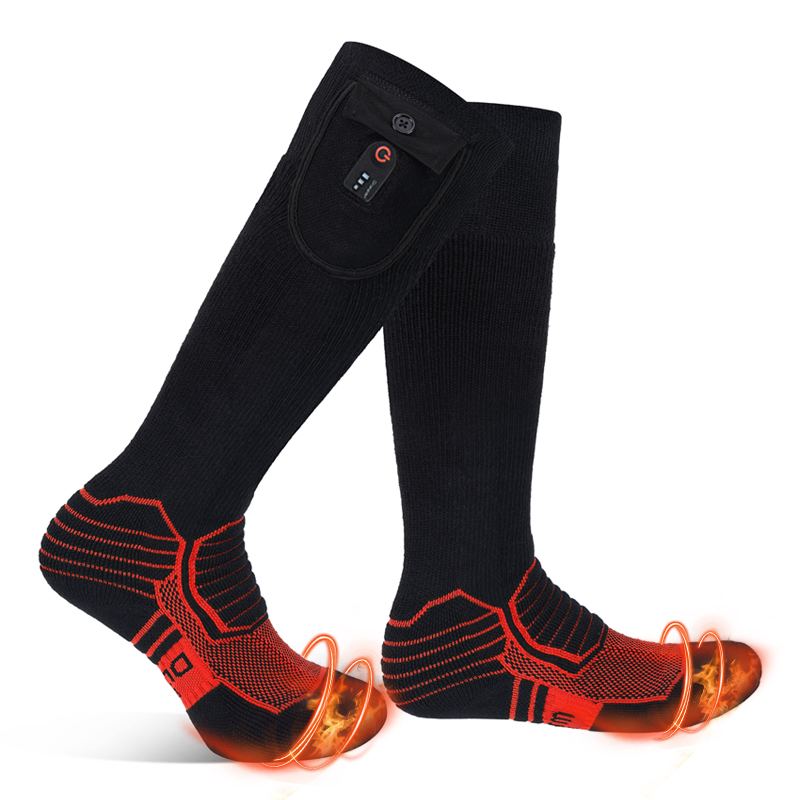
A standard garment inspection covers appearance, measurement and packing. A heated garment adds an electrical system: a battery, a controller, a wiring harness and heating elements bonded into the fabric. A batch can look perfect and still fail because one zone is cold, a connector is loose or the charger in the box is the wrong specification.
| Category | What can go wrong | What the check should catch |
|---|---|---|
| Appearance and workmanship | Stitching, fabric defects, colour shade variation between batches | Visible faults against the approved sample |
| Size and fit | Grading drift, a cuff or waist that no longer matches the tech pack | Measurements across the size run, not just one size |
| Heating function | One cold zone, an intermittent lead, a controller stuck in protection mode | Power-on test on every heat setting for sampled units |
| Power system | Wrong charger, mismatched battery, loose or corroded connector | Battery, charger and connector checked against the approved spec |
| Packaging and labelling | Wrong logo, care label language, barcode or retail box dieline | Carton, retail box, manual and labels checked per SKU |
| Documentation | Missing UN38.3 summary or SDS, wrong certificate holder name | Documents present and naming the correct legal entity |
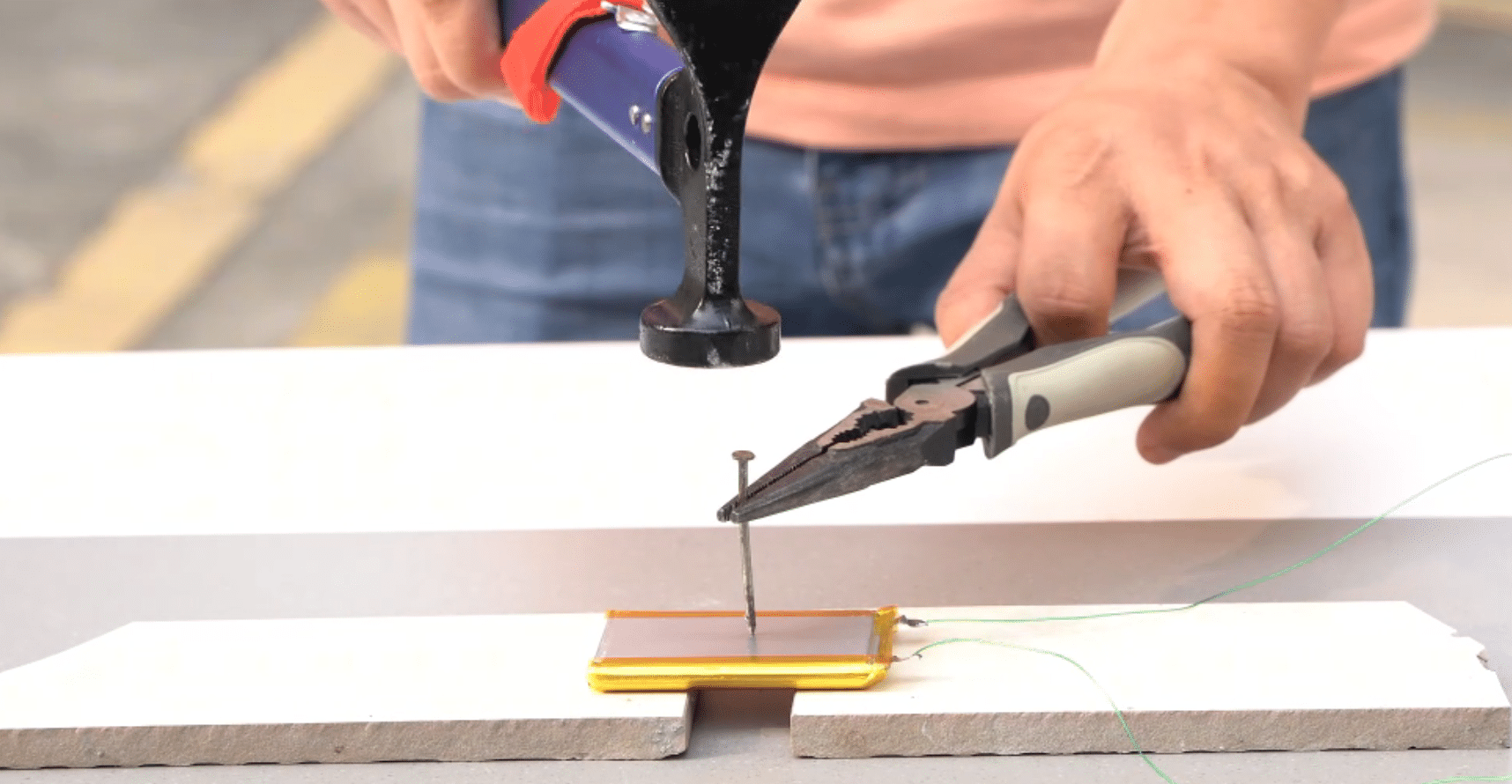
Because the element is bonded into the garment, a functional fault is expensive to fix after shipment. That is why the power-on test belongs in the sampling plan, not as an optional extra.
When Inspection Happens in the Order Cycle
| Stage | Timing | What is agreed |
|---|---|---|
| Brief and specification | Before sampling | Acceptable defect levels, sampling plan, test method, report format |
| Sample approval | Sampling 7-30 days | The approved physical sample becomes the reference for every check |
| During production | OEM production 20-25 days | In-process checks on the first units off the line |
| Pre-shipment inspection | After packing, before dispatch | Independent sampling of the finished batch |
| Release or hold | On the report | Clear pass / rework / hold decision, with re-inspection terms |
On this site OEM starts at 100 pieces, full ODM at 500 pieces and a single stock sample is available; standard bulk production orders are completed within 45 days. For a first order, the most useful moment to inspect is after the first full production run — early enough to rework, late enough to judge the real batch.
The purchase order should name the inspection company, the sampling standard, who pays for the first inspection and who pays for re-inspection after a failed check. These are commercial terms, and they are much easier to agree before tooling and production start. See payment terms and order process and warranty and after-sales support for the surrounding documents.
The Functional Checklist for Heated Garments
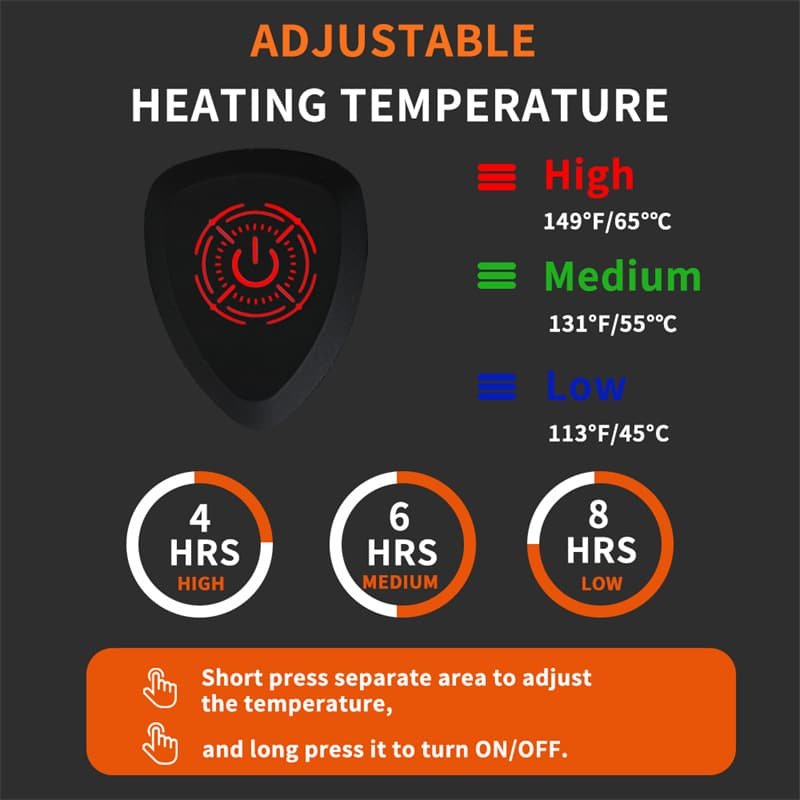
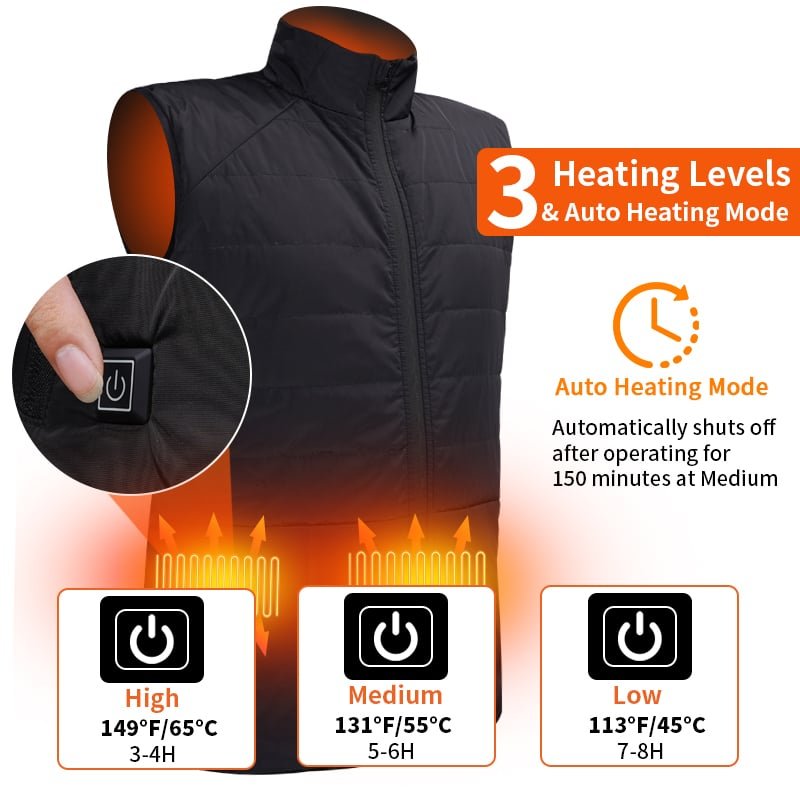
- Switch on and cycle through every heat setting; confirm the indicator matches the level.
- Feel each heating zone after a short warm-up — one cold zone points to a channel or element fault.
- Check the connector is fully seated, dry and free of corrosion; never connect power to a wet port.
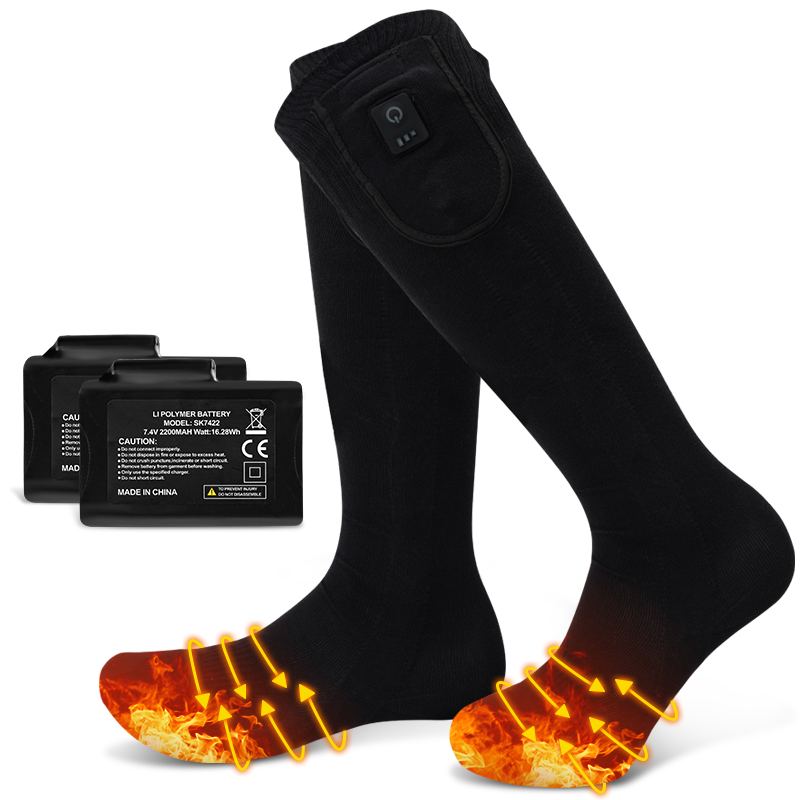
- Confirm the battery and charger match the approved specification: most gloves and apparel use 7.4V with an 8.4V / 1.5A charger, 3.7V systems use 5V / 2A, and 5V USB power banks use 5V / 2A or 5V / 3A.
- Verify IPX4 water resistance (IPX5 optional) on the finished construction, not just the fabric.
- Check the care label and manual include the model-specific washing and drying instructions.
Temperatures are specified per model, not per category. On the standard garment platform used across jackets, vests, base layers and heated trousers, three levels run Low 35-40°C, Medium 45-50°C and High 55-60°C, in degrees Celsius. The inspection should confirm the delivered unit behaves like the approved sample rather than chasing a catalogue number.
Documentation to Collect With the Report
Ask for the inspection report, the packing list, the UN38.3 test summary for the battery and the SDS. The SDS is a shipping document, not a certification. Conformity documentation commonly requested includes CE, UKCA, UL, FCC, RoHS, Reach, DOE and ISO 9001, plus GB 47372-2026 with CCC on the battery side — see what each covers and our certifications page.
Certificate holder for the conformity documentation is Dongguan S-KING Limited; production is carried out by Dongguan Ditewang Intelligent Technology Co., Ltd. Certificates name a legal entity, so check that the report, the invoice and the packing list all use the same names — a mismatch is a common customs and buyer-audit problem.
Turning the Report Into a Decision
Agree three outcomes in advance: pass (ship), rework (fix and re-inspect specific items) and hold (the batch does not ship until the root cause is documented). A report that only says “some defects found” is not actionable. Ask for defect counts by category and photos of each fault type.
Production covers 3 lines in a 6,000 m² main plant plus a separate 2,074 m² electronics assembly workshop, with a team of 56 and 8 in-house R&D engineers. Finished products carry a 12-month warranty and cells are rated for 500+ cycles. Dr. Warm has supplied heated products Since 2013. For quality evaluation of a specific product type, see how to evaluate quality in custom heated insoles production, or review the factory and our OEM/ODM services.
Frequently Asked Questions
What is a pre-shipment inspection for heated apparel?
An independent check of a finished batch before it ships, covering quantity, workmanship, dimensions, function, packaging and documentation. For heated products it should also verify that every unit heats on each setting and that the battery, charger and manual match the approved specification.
Do I need a third-party inspection for a 100-piece OEM order?
It is optional but sensible for a first order or a new factory. Many buyers inspect the first production run, then move to a lighter check once the defect rate is stable. The cost is small relative to returning a batch of electrical goods across borders.
What should the inspection checklist include for heated garments?
Appearance and stitching, size grading, heating function on every level, connector and battery fit, charging, packaging and labels, and the accompanying documents: UN38.3 test summary and SDS. Agree the sampling plan and acceptable defect levels with the inspection company in advance.
Can the factory do the final inspection itself?
An in-house final check is normal and we do it, but it is not the same as an independent one. If your channel or insurer requires independent verification, name the inspection company, the sampling standard and the report format in the purchase order.
Planning a first production run? Send us your inspection checklist and we will confirm what can be verified in-house and what should be independently checked.