Safety Guide: How to Use Electric Heated Gloves Without Overheating Risks
Avoid overheating in heated gloves: matched chargers, heat settings, pressure points, dry connections, warning signs and QC tests buyers should request.

Avoid overheating in heated gloves: matched chargers, heat settings, pressure points, dry connections, warning signs and QC tests buyers should request.

Compare USB, 3.7V and 7.4V heated gloves by watt-hours, runtime, charging and use case – with a runtime table for each glove build.
Why heated gloves stop heating: cuff leads, wet ports, controller protection mode and finger-joint wire fatigue, plus the QC tests buyers should request.

Compare heated-glove features for skiing, hunting and winter commuting: heating coverage, waterproofing, touchscreen use and battery life.
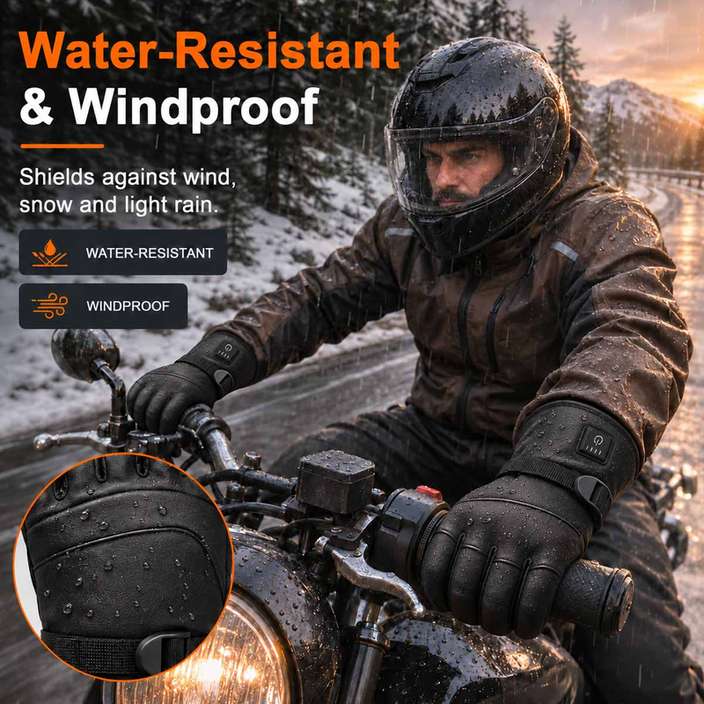
Care guide for water-resistant heated gloves: IPX4/IPX5, cleaning without wringing, air-drying, storage and the construction checks that extend element life.

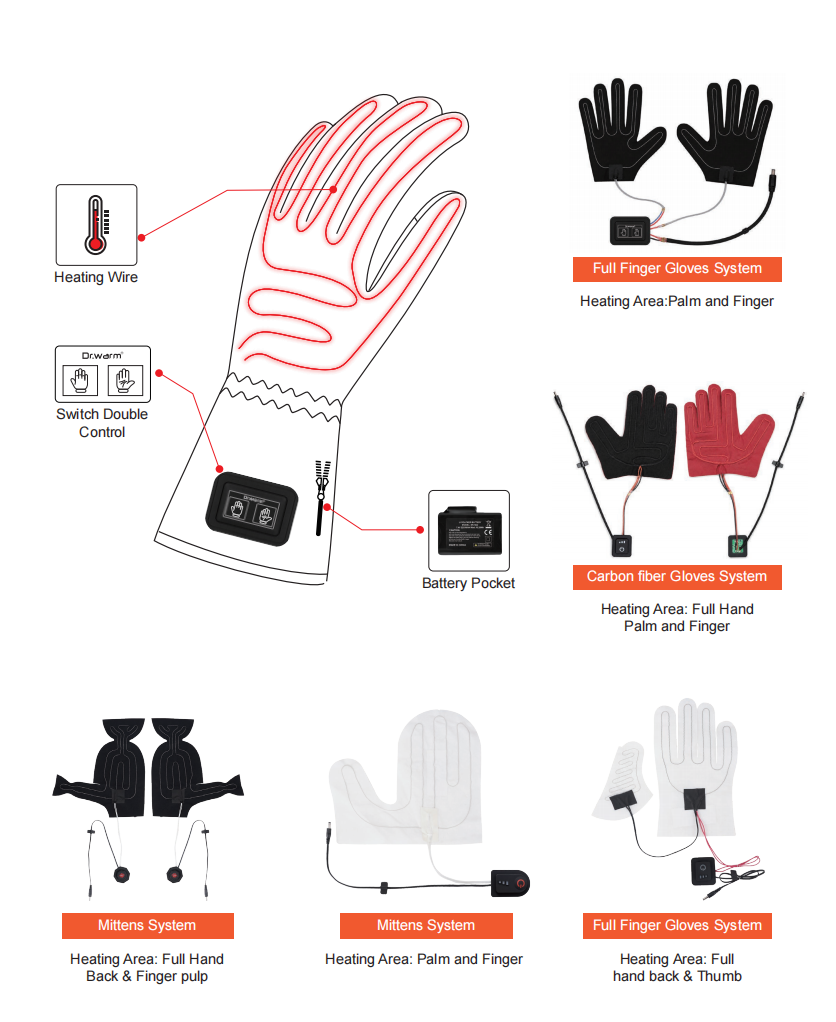
Custom heated gloves for bulk OEM orders: MOQ 100/500, glove patterns, heating zones, 7.4V platforms, QC tests and how to brief a factory.

An ordinary glove can only buy warmth with bulk. A heated one breaks that curve — the same warmth in a glove thin enough that the fingers still work.

4-6 hours on low and 1.5-2 on high: the watt-hour maths behind heated glove runtime in subzero cold, and why the label and the mountain disagree.

Why touchscreen fingertips fail on a cold bike, the four symptoms and what each one means, and a thirty-second test before you buy.

Each claim on a heated glove spec sheet has a structure and a test behind it. Seven checks on wire, layout, pack position, cuff and left-right pairing.