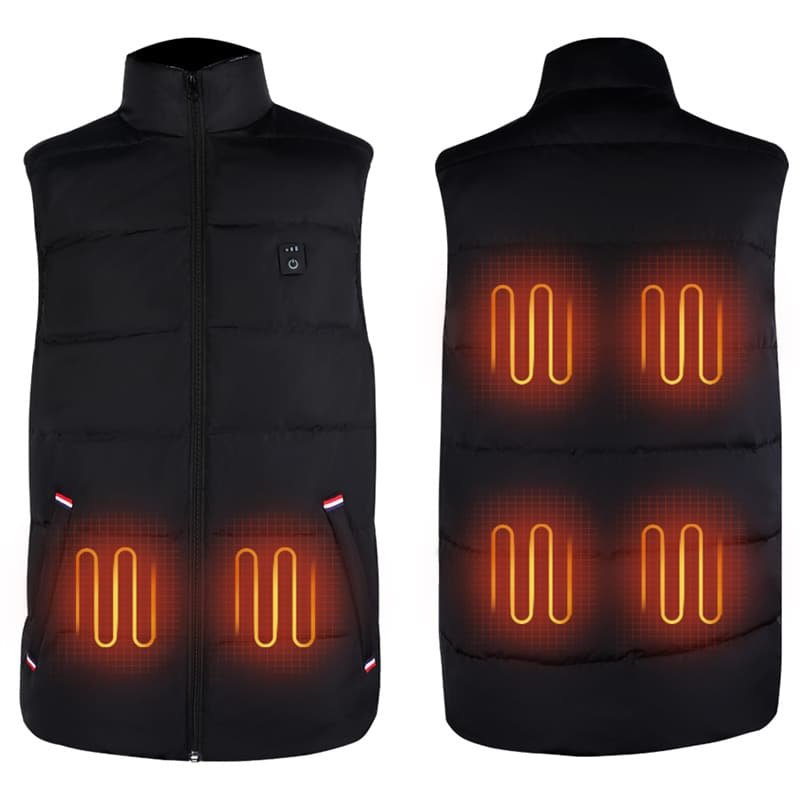
Slim Fit vs Loose Heated Vests: How to Pick the Right Fit for Daily Use
Slim and loose heated vests put heat in different places. How fit changes warmth, layering, battery position and sizing.

Slim and loose heated vests put heat in different places. How fit changes warmth, layering, battery position and sizing.
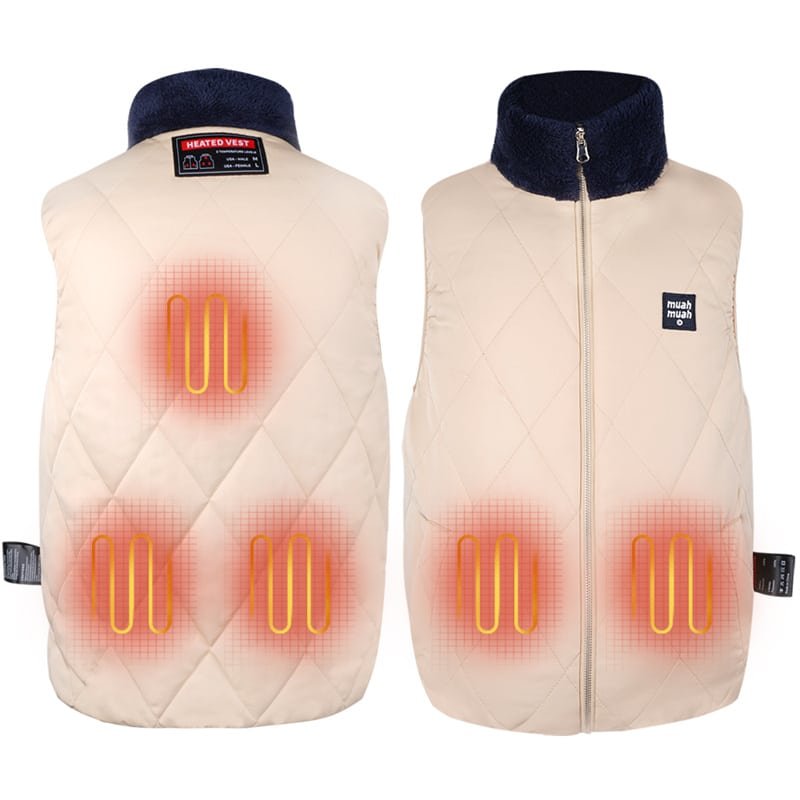
Most dead-vest complaints are one of five faults. The order you test them in decides whether it closes in a minute or ships back — swap the pack first.

Hunting, commuting and site work put three different shells over the same vest — the outer layer sets the constraints. How each scenario sets the specs.

Custom heated vests for bulk wholesale: fabric, heating zones, 5V and 7.4V platforms, private label, MOQ 100/500 and the OEM development timeline.

For outdoor work the question is core cold or cold hands and feet. When a heated vest pays, when a thermal one wins, and the hi-vis and layering traps.
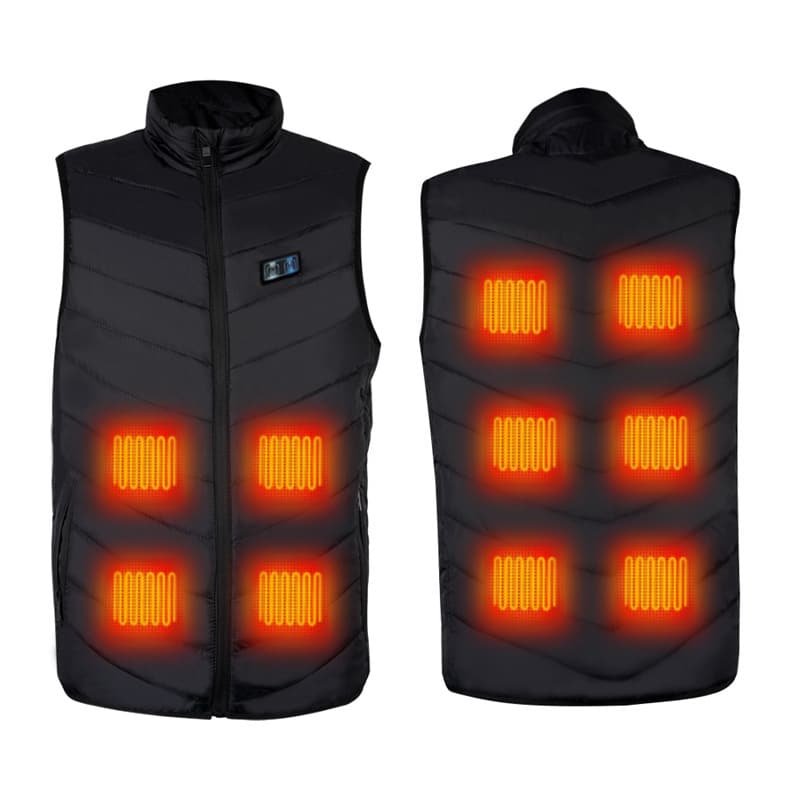
4-5 hours on low from a 22.2Wh pack and 8-9 from 60Wh – why zone count and the layer over the vest change heated vest runtime more than the battery label does.

Layering a heated vest under a jacket for skiing and winter cycling: fit, heat settings, battery pocket, moisture care and OEM options.

Select a heated vest by layer position first: armhole heat loss, independent front and back control, fabric weight and one voltage platform across the range.
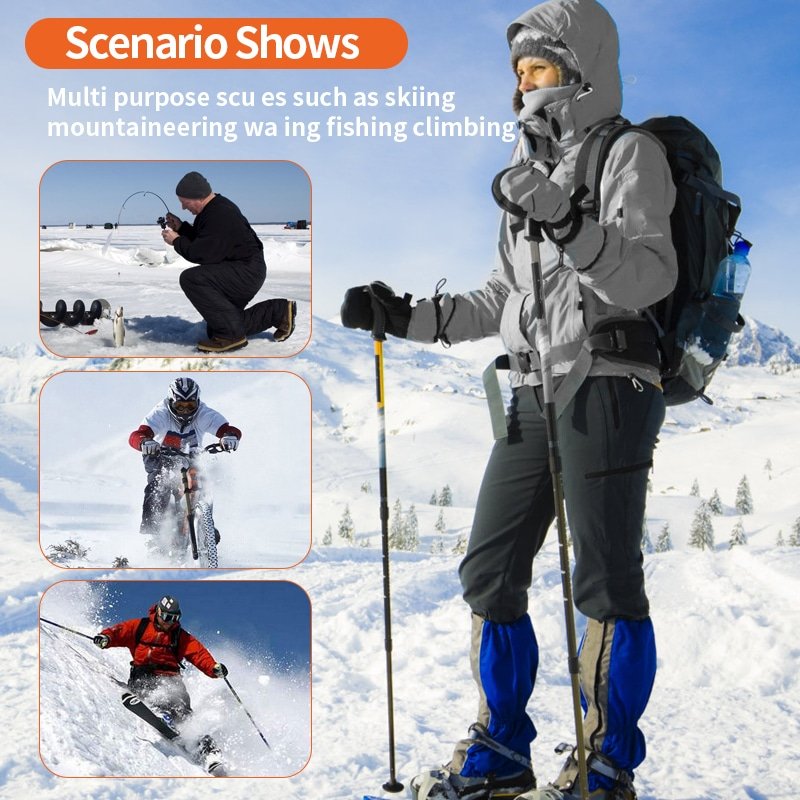
Mittens share heat across four fingers, gloves keep dexterity. Which is warmer, where heating coverage matters, and how to choose for the activity.

How heated socks work: the element, battery, controller and materials inside, and how layout and capacity are chosen for a brand build.