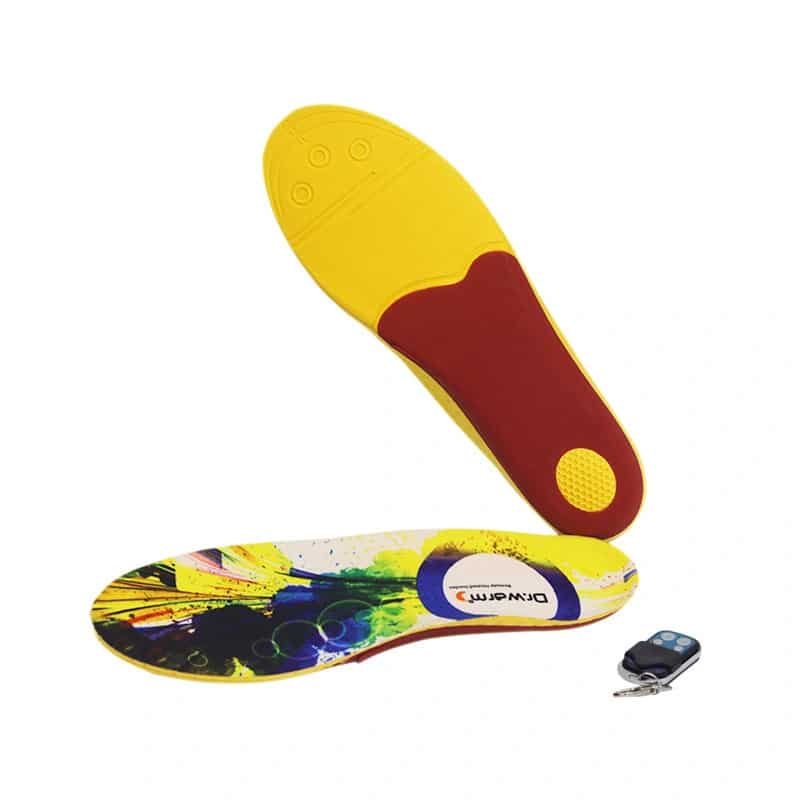
Safety Guide: Tips to Avoid Overheating When Using Electric Heated Insoles
Avoid heated insole hot spots: sizing, boot fit, heat settings, matched chargers, moisture checks and the QC tests private-label buyers should request.

Avoid heated insole hot spots: sizing, boot fit, heat settings, matched chargers, moisture checks and the QC tests private-label buyers should request.
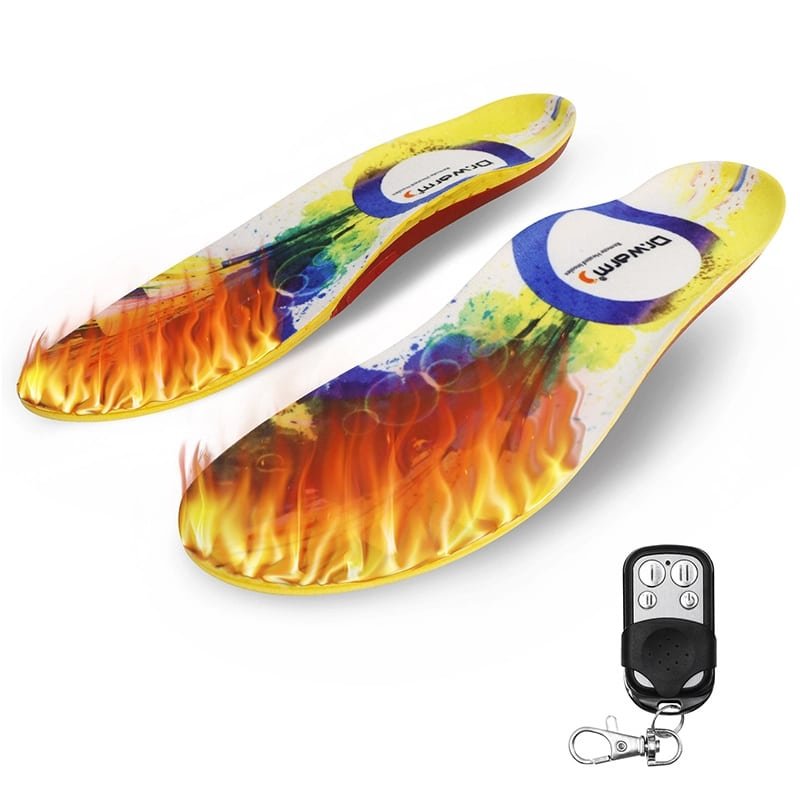
Compare 3.7V and 7.4V heated insoles by watt-hours, runtime, thickness and charging — with a runtime table for each insole build.
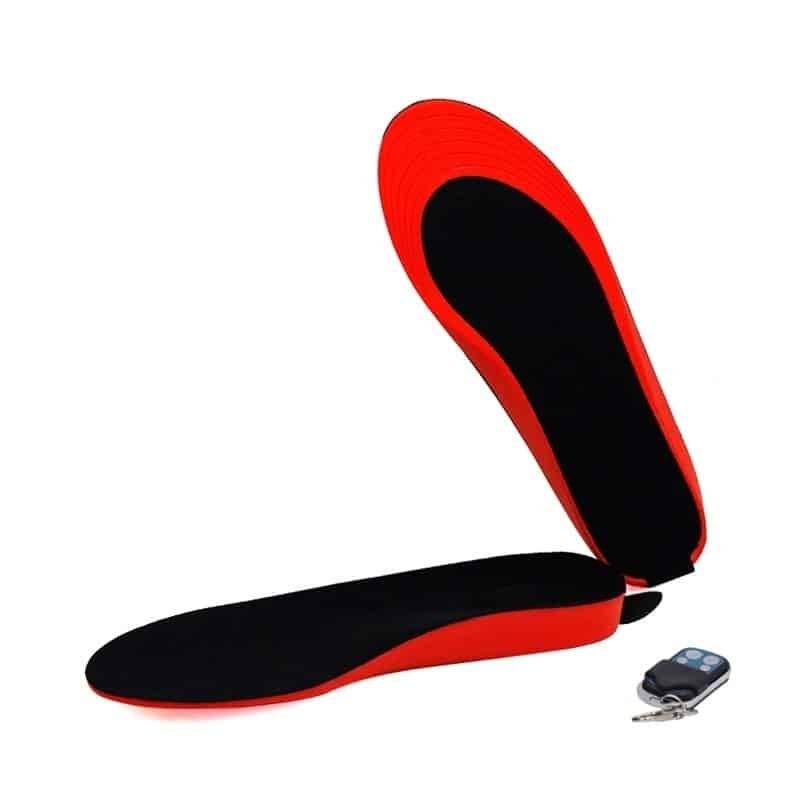
Six faults stop a heated insole and five are ruled out in thirty seconds. The order you test them in decides whether it needs a spare part or a return.
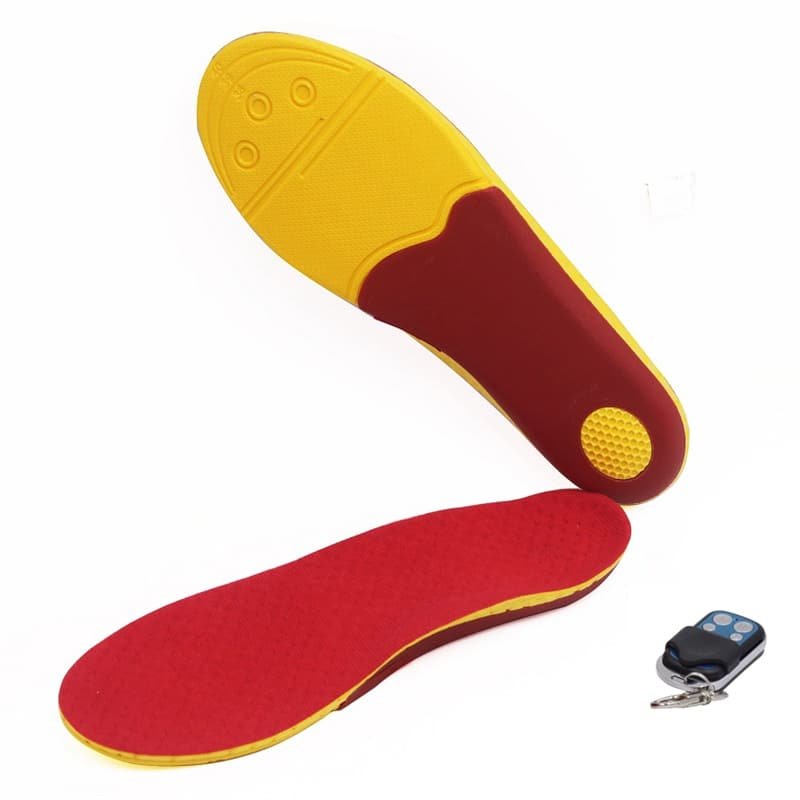
Three scenarios, three kinds of cold, three boots. A constraint table for each — and an honest note that winter hiking rarely needs heat at all.

A heated sock can be washed; a heated insole can only be wiped. Three no-go zones, a cleaning table by soil type, and the drying rules that decide its lifespan.
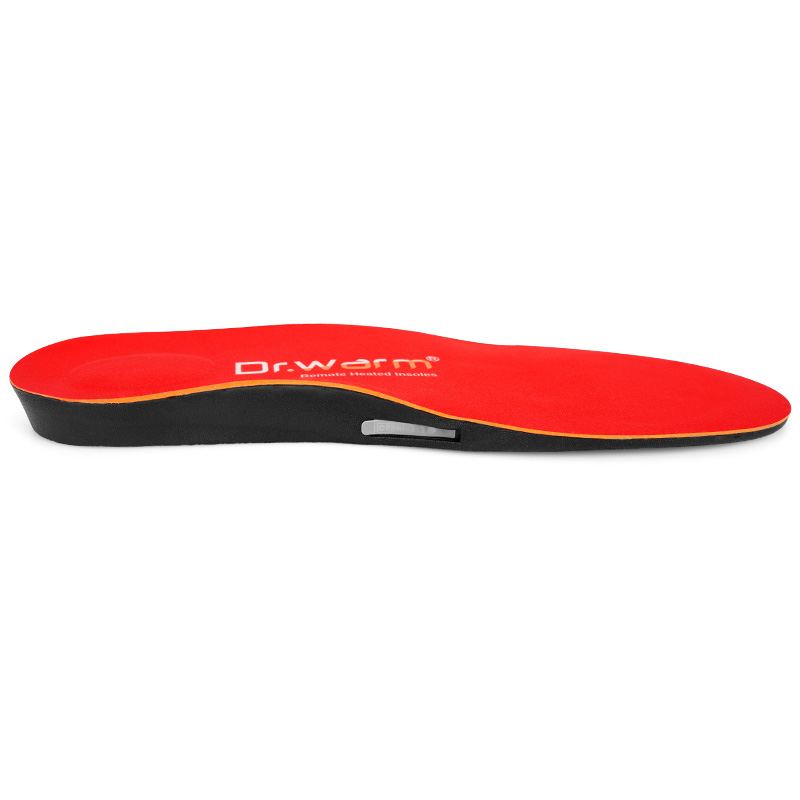
Custom heated insoles for bulk wholesale: moulded base, heating zones, 3.7V and 7.4V platforms, MOQ 100/500, QC tests and how to brief a factory.
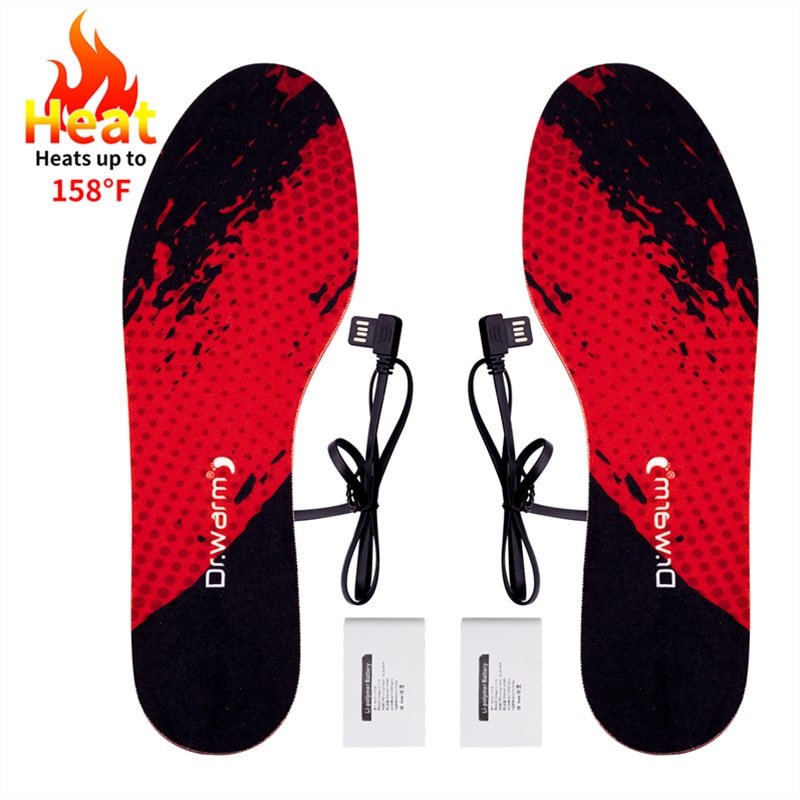
A thermal insole reflects the heat a foot makes; a heated insole makes its own. Four measurements, taken at the bench, decide which one belongs in the boot.

5-7 hours on low from an 8.1Wh pack – and why the boot sole, the cold ankle pack and forefoot-only heating decide insole runtime.

A ski boot has no spare volume and a work boot has no heat. Two boot tests — one buckled, one laced — decide whether a heated insole belongs in either.

Thickness before watt-hours: five checks that decide whether rechargeable heated insoles fit the shoe, the climate and the price.